

Tracking your weight doesn’t have to feel like a daunting or stressful chore. With the advent of modern tools, keeping tabs on your progress—whether you’re aiming to lose fat, gain muscle, or maintain a healthy balance—has become simpler, more insightful, and even enjoyable. From smart scales that sync seamlessly with your phone to apps that analyze every bite you eat, technology has transformed weight management into an accessible and empowering process. These tools go beyond merely recording a number; they offer a window into how your body responds to your diet, exercise, and lifestyle choices, helping you make informed adjustments along the way.
In this detailed exploration, we’ll uncover how weight tracking tools can simplify your journey toward better health. Rather than fixating solely on the scale, you’ll discover how these solutions provide clarity, motivation, and flexibility, paving the way for sustainable success. Let’s dive into the world of weight monitoring and see how you can start using these innovations to your advantage today.
The Importance of Tracking Weight for Health Goals
Embarking on a weight management journey—whether to shed pounds, build strength, or stay steady—requires more than just willpower; it demands a structured approach. Weight tracking serves as the backbone of this process, offering far more than a snapshot of your current state. By consistently monitoring your weight, you gain the ability to spot patterns that might otherwise go unnoticed. For instance, you might observe slight increases after a weekend of indulgence or a gradual decline following a week of disciplined workouts and balanced meals. These insights allow you to connect the dots between your habits and their outcomes.

Beyond revealing trends, tracking your weight keeps you motivated. Seeing even small improvements documented over time—whether through a dropping number or a tighter waistband—can fuel your determination to stick with your plan. Conversely, if progress stalls, the data acts as an early warning system, prompting you to tweak your approach before frustration sets in. Modern tools enhance this experience by not only recording numbers but also analyzing them, offering suggestions, and sometimes connecting you with a supportive community. This turns weight tracking from a solitary task into a dynamic part of your daily routine, one that’s both manageable and meaningful.
Modern Weight Tracking Tools: Technology Meets Practicality
Gone are the days when tracking weight meant scribbling numbers in a notebook or juggling mental math. Today’s tools leverage technology to make the process precise, convenient, and engaging. These innovations cater to a range of preferences and budgets, ensuring there’s something for everyone looking to monitor their progress effectively.
Smart scales have emerged as a game-changer in this space. Unlike traditional scales that offer only a basic reading, these devices connect to your smartphone via Bluetooth or Wi-Fi, automatically logging your weight and often much more. Brands like Withings, Fitbit Aria, and Renpho take it a step further by measuring body fat percentage, muscle mass, water content, and even bone density. This comprehensive data paints a fuller picture of your body composition, showing you whether you’re losing fat, gaining muscle, or simply retaining water. The beauty of smart scales lies in their ease of use: step on, and within seconds, your stats sync to an app where you can view trends over weeks, months, or years. Many models support multiple users, making them ideal for households, and they integrate with platforms like Apple Health or Google Fit, creating a unified hub for your health data.
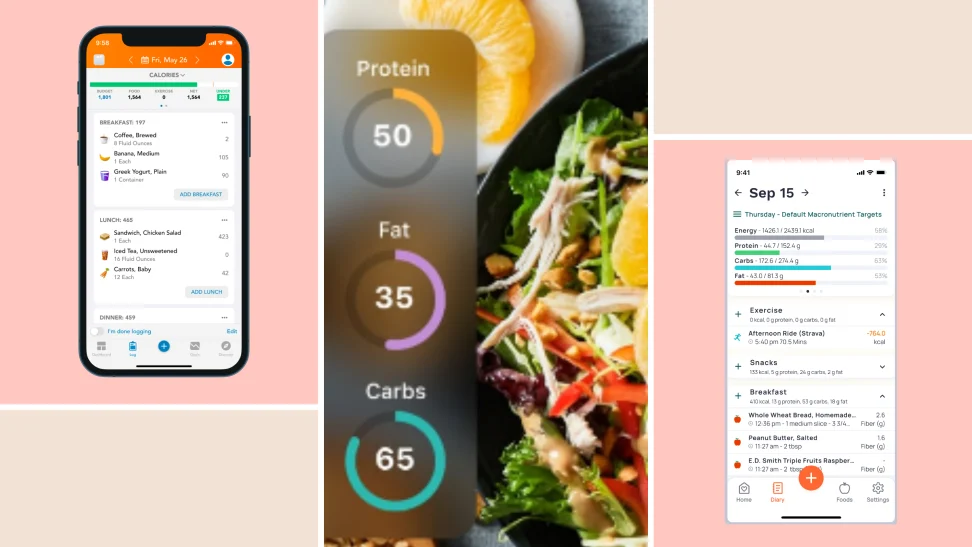
For those not ready to invest in hardware, smartphone apps offer a powerful alternative. Applications such as MyFitnessPal, Happy Scale, Monitor Your Weight, and Lose It! allow you to manually input your weight or sync it from other devices, then present your progress through intuitive charts and graphs. What sets these apps apart is their ability to go beyond weight alone. MyFitnessPal, for example, doubles as a food diary, letting you log meals and track calories alongside your weigh-ins, so you can see how your diet influences your results. Happy Scale, on the other hand, smooths out daily fluctuations to highlight long-term trends, sparing you the stress of minor ups and downs. Most of these apps are free at their core, with optional premium features like personalized meal plans or advanced analytics, making them accessible to anyone with a phone.
Wearable devices round out the modern toolkit, offering a holistic approach to weight tracking. Gadgets like Fitbit, Apple Watch, and Garmin track more than just steps—they estimate calories burned throughout the day, from a morning jog to an evening stretch. By pairing this with your weight data, you get a clearer view of your energy balance: calories in versus calories out. Higher-end wearables also monitor heart rate, sleep quality, and stress levels, factors that subtly but significantly impact weight. When synced with a smart scale or app, these devices create a detailed narrative of your health, showing how an extra hour of sleep or a brisk walk might tip the scales in your favor.
How These Tools Simplify and Enhance Your Journey
The real magic of weight tracking tools lies in how they streamline and enrich the process. For starters, they save you time. Manual logging and guesswork are replaced by automation—your scale or app does the heavy lifting, leaving you free to focus on living your life. A quick step onto a smart scale or a few taps on your phone is all it takes to stay updated, making it a habit you can sustain without feeling burdened.
Accuracy and insight are another major advantage. With tools that measure body fat, muscle mass, or daily activity, you’re no longer in the dark about what’s happening beneath the surface. This is especially valuable during weight loss, where the scale might stall as you lose fat but gain muscle—a positive shift that traditional methods might miss. Having this level of detail helps you stay focused on the bigger picture rather than getting discouraged by temporary plateaus.
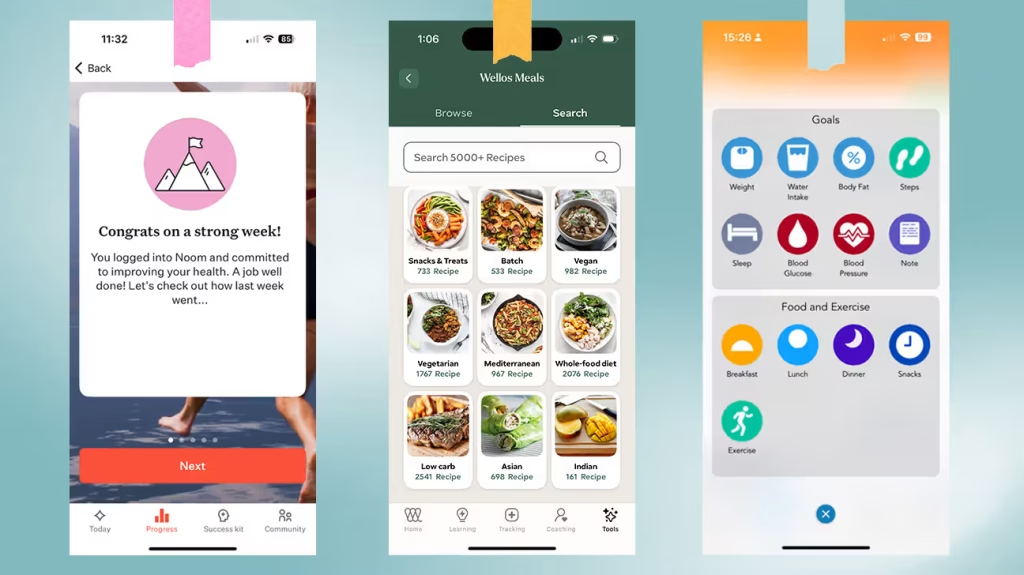
Perhaps most importantly, these tools keep you motivated. Watching a downward trend on a graph or earning a digital badge for consistency taps into a sense of achievement that fuels your commitment. Some apps and wearables even offer social features, letting you share milestones with friends or join challenges, turning a personal goal into a shared experience. This blend of convenience, clarity, and encouragement transforms weight tracking into a rewarding ritual rather than a tedious obligation.
Making the Most of Weight Tracking Tools
To get the best results from these tools, a little strategy goes a long way. Consistency is key, so pick a regular time to weigh yourself—ideally in the morning, after waking and before eating, when your weight is least affected by food or activity. Daily fluctuations from water retention or meals are normal, but measuring at the same time each day smooths out the noise and highlights true progress.
Don’t stop at the scale reading, either. Pay attention to the broader metrics—body fat percentage, calorie burn, or even how your clothes fit—to get a complete view of your journey. If you’re using an app, take a moment to log your meals or workouts; this extra step connects the dots between your habits and your results, giving you actionable insights. For instance, you might notice that days with higher protein intake lead to better weight trends, or that skipping sleep throws things off.
Patience and flexibility are just as crucial. Progress isn’t always linear, and these tools are designed to emphasize long-term patterns over short-term hiccups. If your weight holds steady for a few days, check your weekly or monthly trend—it’s likely moving in the right direction if you’re sticking to your plan. The goal is to use the data as a guide, not a dictator, adjusting your approach as needed without losing sight of the bigger picture.
Integrating Tools into a Balanced Lifestyle
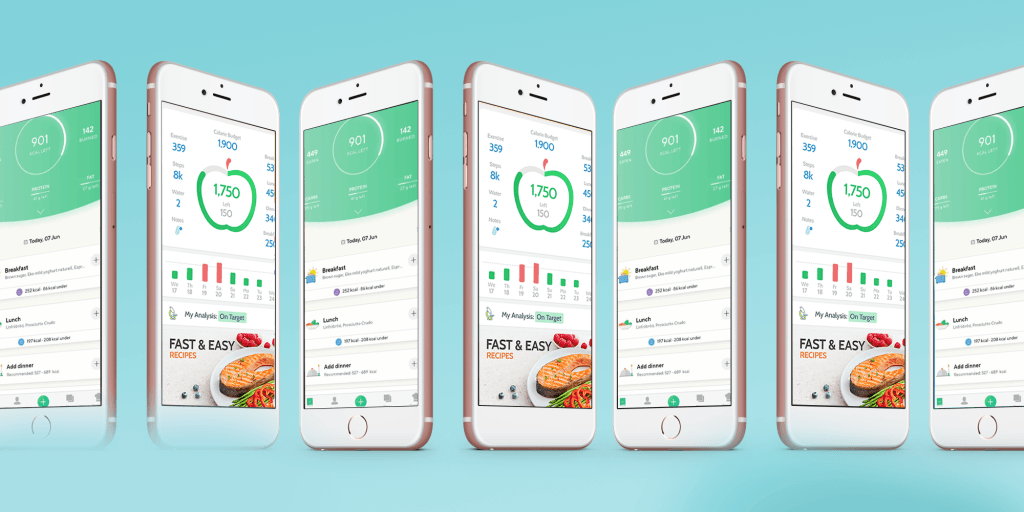
Weight tracking shines brightest when it’s part of a well-rounded routine. Pair your smart scale with a morning check-in habit, use an app to plan your meals for the day, or wear your fitness tracker to hit a step goal. This integration turns raw data into practical steps—maybe you cut back on snacks after seeing a calorie spike, or add a walk when your wearable shows you’ve been idle. These small, informed tweaks build momentum without overwhelming you, making weight management feel downsizing effortless.
Conclusion: Start Tracking Your Weight Today
Weight tracking doesn’t have to be hard. With smart scales, apps, and wearables, monitoring your progress is easier, more accurate, and more motivating than ever. These tools strip away the complexity, giving you the clarity and support to reach your goals. Pick one that suits you—whether it’s a free app or a high-tech scale—and start today. A few minutes of tracking can unlock a lifetime of health, confidence, and control. Your progress is waiting—make it easy and watch it grow!
0 comments