

The ketogenic diet, often simply called keto, has solidified its place as a powerhouse in the world of nutrition, captivating millions with its promise of rapid fat loss, sustained energy, and mental sharpness. In 2025, as health trends evolve, keto remains a standout choice for those eager to transform their bodies by tapping into ketosis—a metabolic state where fat becomes the fuel of choice. If you’re new to this low-carb, high-fat lifestyle or looking to refine your approach, understanding the ins and outs of ketosis is your ticket to success. Far from a fleeting fad, keto offers a science-backed framework that, when done right, can reshape how you look, feel, and function.
This ultimate guide is your roadmap to mastering the keto diet. We’ll peel back the layers of ketosis, explore how it rewires your metabolism, and equip you with practical strategies to make it work seamlessly in your life. From what to eat to navigating the initial hurdles, this isn’t just a primer—it’s a deep dive into a lifestyle that’s as rewarding as it is revolutionary. Let’s embark on this journey together and unlock the full potential of keto in 2025.
Understanding the Keto Diet: A Low-Carb Revolution
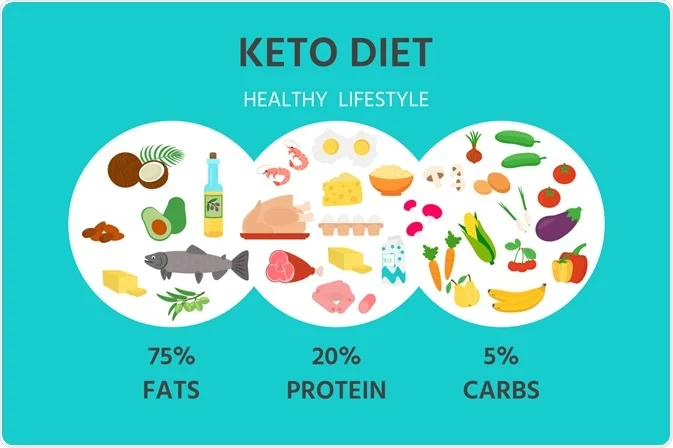
At its essence, the keto diet flips conventional eating on its head. Where most diets lean on carbohydrates—think bread, rice, and pasta—for energy, keto slashes carbs to a whisper, typically 20 to 50 grams daily, and ramps up fat intake to 70–75% of your calories. Protein sits at a moderate 20–25%, rounding out a macronutrient profile that feels alien to traditional nutrition norms but is meticulously designed to trigger ketosis. This isn’t about starvation; it’s about redirection—shifting your body from burning sugar to burning fat, both from your plate and your waistline.
The concept traces back to the 1920s, originally crafted to manage epilepsy by mimicking fasting’s effects. Today, it’s a darling of weight loss seekers, biohackers, and health enthusiasts alike. By keeping carbs low, insulin—a hormone that stores fat—stays quiet, allowing your liver to churn out ketones from fat. These ketones power everything from your brain to your muscles, making ketosis a metabolic sweet spot for shedding pounds and stabilizing energy. It’s a bold departure from carb-heavy habits, but one that’s won legions of fans for its tangible results.
The Science of Ketosis: How Your Body Becomes a Fat-Burning Machine
Ketosis is where the keto magic happens, and it’s grounded in straightforward biology. Normally, carbs break down into glucose, fueling your cells with a quick hit of energy while insulin sweeps excess sugar into storage—often as fat. Cut carbs drastically, though, and the game changes. Within 24 to 72 hours, your glucose reserves dwindle, and your body pivots to Plan B: breaking down fatty acids into ketones—small, efficient energy molecules produced by the liver. This shift, known as ketosis, turns stored fat into your primary fuel, a process that accelerates when paired with a calorie deficit.
The transition isn’t instant. Early on, as glycogen (stored carbs) depletes, you might shed water weight—up to 5 pounds in the first week—before true fat-burning kicks in. Ketones like beta-hydroxybutyrate take over, offering a steadier energy flow than glucose’s peaks and valleys. This explains why keto fans rave about mental clarity and crash-free days. In 2025, wearable tech like ketone monitors (blood or breath devices) makes confirming ketosis easier, though your body’s signals—think stable hunger and focus—often tell the tale after a week or two.
Launching Your Keto Journey: The Practical First Steps
Starting keto means rethinking how you fuel your day, but it’s less about restriction and more about rebalancing. Your macros—70–75% fat, 20–25% protein, 5–10% carbs—translate to real food on a 2000-calorie plan: around 140–150 grams of fat, 75–100 grams of protein, and 20–50 grams of carbs. This might look like a breakfast of eggs cooked in butter, a lunch of salmon with avocado, and a dinner of steak with sautéed spinach—all rich, satisfying, and low-carb.
The first hurdle is the “keto flu,” a temporary slump as your body adjusts—think fatigue, headaches, or grumpiness. It’s not a flu at all, just your system recalibrating. Drinking plenty of water, adding salt to meals (to replace sodium lost with water weight), and easing in with 50 grams of carbs for the first few days can smooth this out. By day 4 or 5, most people hit ketosis, and the fog lifts, replaced by a newfound energy that makes the shift worthwhile.
Your Keto Food Playbook: What to Embrace and Skip
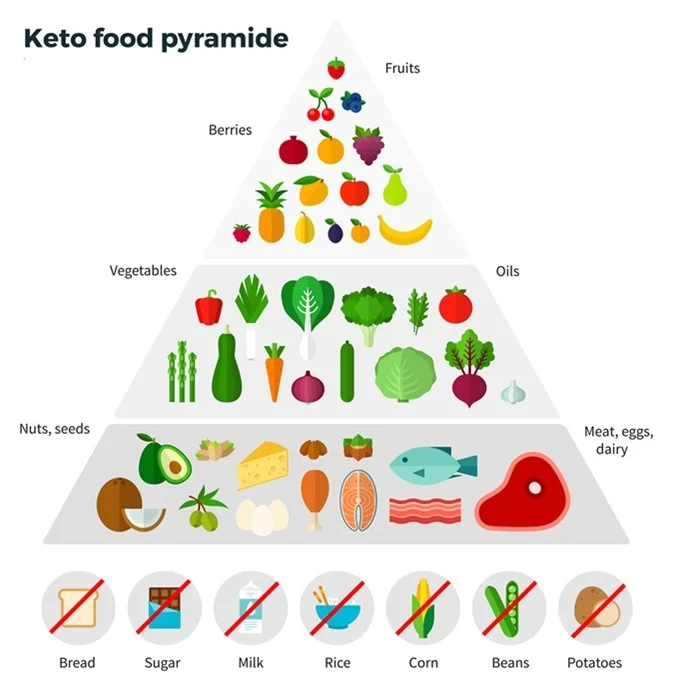
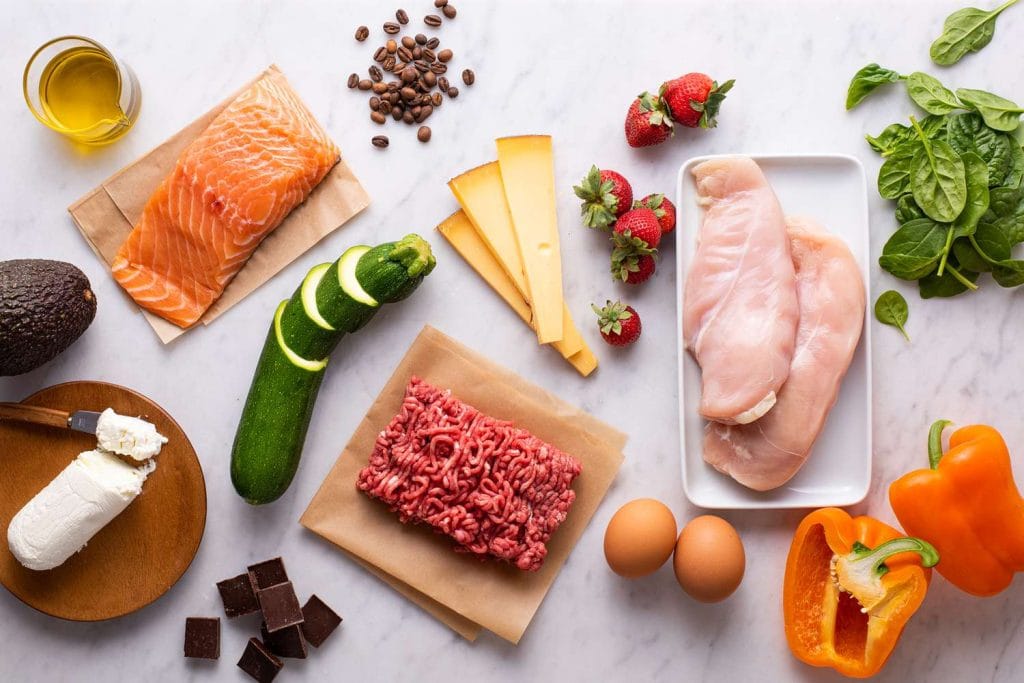
Keto’s food rules are strict but straightforward, built around keeping carbs low and fats high. Load your kitchen with ketosis-friendly staples: olive oil, coconut oil, and butter for cooking; fatty meats like pork belly or ribeye; and full-fat dairy—cheese, heavy cream, or unsweetened yogurt. Eggs are a keto superstar—versatile and packed with protein and fat. Low-carb veggies like kale, zucchini, and cauliflower add bulk and nutrients without tipping your carb count, while nuts like macadamias or pecans offer a fat-rich crunch in moderation.
What’s off-limits? Sugar tops the list—soda, candy, and pastries are out—followed by grains like wheat, rice, and oats, which spike carbs fast. Most fruits, despite their health cred, don’t fit; a banana alone could blow your daily limit, though a small handful of raspberries sneaks under the radar. Processed foods are dicey too—hidden sugars lurk in sauces and snacks—so label-reading becomes a habit. The focus is on whole, unprocessed eats that fuel ketosis without fuss.
Beyond Fat Loss: The Broader Wins of Keto
Weight loss draws most to keto, but the perks stretch further. Ketosis often brings a mental edge—users report laser-like focus and fewer brain fog moments, likely from ketones’ steady energy supply. Energy consistency is another win; without carb-induced spikes, you dodge the mid-afternoon crash. For those with blood sugar concerns, keto’s low-carb backbone can tame insulin swings, a boon for prediabetes or type 2 diabetes management—though always under a doctor’s eye.
Emerging studies in 2025 hint at more: lower inflammation, potential heart health boosts (via better triglyceride levels), and even anti-aging effects tied to cellular repair. These aren’t fully proven yet, but they add to keto’s allure as a lifestyle, not just a diet. The catch? It’s not for everyone—some find the restrictions tough—but for those who thrive on it, the rewards go deep.
Navigating Keto Challenges with Confidence
Keto’s not all smooth sailing. Social scenes—think dinners out or holiday feasts—can test your resolve when carbs dominate the table. Prepping ahead, like eating a fatty snack before heading out or suggesting keto-friendly spots, keeps you on track. Cravings might hit too, especially for bread or sweets early on. Stocking keto treats—think almond flour muffins or dark chocolate (90% cocoa)—can bridge the gap. Long-term, watch for nutrient dips; fiber and vitamins from fruits are scarce, so lean on greens and consider a supplement.
Tracking macros is non-negotiable at first. Apps like Carb Manager or KetoDiet track carbs, fats, and proteins, alerting you if you’re veering off. Ketone testing—urine strips for beginners, blood meters for precision—confirms you’re in the zone, though after a month, many trust their body’s cues. It’s a learning curve, but one that pays off with practice.
A Day on Keto: 2000-Calorie Snapshot
Imagine this: Breakfast is a three-egg omelet with cheddar and spinach, cooked in ghee—under 5 carbs, pure satisfaction. Lunch rolls in with a chicken thigh (skin on), mashed cauliflower with cream, and a drizzle of olive oil—10 grams of carbs max. Dinner’s a pork chop with roasted Brussels sprouts in butter, nearly carb-free. A handful of walnuts caps the day, hitting 75% fat, 20% protein, 5% carbs. It’s hearty, delicious, and ketosis-ready.
Timeline: Ketosis and Results
Ketosis typically dawns in 2–7 days—faster with exercise or lower carbs. Early weight drops (2–6 pounds) are water; fat loss follows at 0.5–1 pound weekly. Full keto adaptation—peak energy and focus—takes 3–4 weeks. Slip-ups (a carb-heavy meal) can pause ketosis, but cutting back gets you back in 24–48 hours.
Conclusion: Step Into Ketosis Today
The keto diet is your gateway to ketosis—a fat-burning, life-enhancing state that’s within reach. This guide hands you the keys: ditch carbs, fuel with fats, and listen to your body. Start now—swap pasta for zucchini, track a meal, feel the shift. Your ultimate keto journey begins today, and the results are yours to claim.
0 comments