
Skipping meals often conjures images of hunger pangs and diet dogma, but in 2025, it’s at the heart of a global health phenomenon: intermittent fasting. Far from a fad, this approach to eating—or rather, not eating—has roots in science and history, promising benefits that stretch beyond weight loss to sharper minds, better blood sugar, and even a longer life. Intermittent fasting (IF) flips the script on traditional meal timing, asking not just what you eat but when, turning skipped meals into a deliberate strategy rather than a dietary sin. If you’ve ever wondered whether missing breakfast or fasting for a day could truly transform your health, this guide is here to unpack the truth.
In this deep exploration, we’ll dive into the science of intermittent fasting, separating fact from fiction and showing how it works in the real world. From its metabolic magic to its practical pitfalls, we’ll reveal why skipping meals isn’t about deprivation—it’s about harnessing your body’s natural rhythms for a healthier you. Let’s peel back the layers and discover what happens when you give your fork a rest.
What is Intermittent Fasting?
Intermittent fasting isn’t a diet in the classic sense—it’s a timing framework that cycles between eating and fasting windows. Unlike regimens fixated on cutting carbs or counting calories, IF focuses on when you eat, not what, though food choices still matter. Popular methods include the 16/8 approach—16 hours of fasting, 8 hours of eating—or the 5:2 plan, where you eat normally five days and cap calories at 500–600 on two others. There’s also alternate-day fasting or the occasional 24-hour fast, each tweaking the balance of feast and famine.
The concept echoes ancient practices—think religious fasts or hunter-gatherer scarcity—but modern science has spotlighted its potential in 2025. By skipping meals intentionally, you give your body a break from constant digestion, triggering shifts that tap into fat stores and reset cellular processes. It’s less about starvation and more about timing, a rhythm that aligns with how humans evolved before three-square-meals became the norm.
The Science Behind Skipping Meals: How Fasting Works
The power of intermittent fasting lies in what happens when you stop eating. Normally, your body runs on glucose from carbs—breakfast toast or lunch pasta—storing excess as glycogen in the liver or fat in your tissues. When you fast, typically after 12–14 hours without food, glycogen runs low, and your system pivots: fat breaks down into fatty acids and ketones, a fuel shift called ketosis. This isn’t just about energy—ketones signal changes, from fat-burning to cellular cleanup, that define IF’s edge.
Autophagy kicks in too—a Nobel Prize-winning process where cells recycle junk, like damaged proteins, reducing inflammation and aging’s wear. Insulin drops during fasting, unlocking fat stores and steadying blood sugar, while growth hormone spikes, aiding muscle repair. Studies in 2025 show fasting also tweaks hunger hormones—ghrelin dips, leptin sensitivity rises—making appetite more manageable over time. It’s a metabolic dance, proving skipping meals isn’t chaos—it’s control.
Why Skip Meals? The Benefits of Intermittent Fasting
The allure of IF starts with weight loss, and science backs it up. By shrinking your eating window, you naturally eat less—studies suggest 300–500 fewer calories daily—while ketosis burns fat faster. Beyond the scale, fasting shines for metabolic health; lower insulin levels cut diabetes risk, and improved cholesterol (lower triglycerides, higher HDL) bolster your heart. Brain benefits emerge too—ketones fuel cognition, and animal research hints at protection against Alzheimer’s, though human data lags.
Energy steadies as sugar crashes fade, and inflammation drops, easing joint pain or chronic conditions. Longevity whispers in the wings—rodent studies link fasting to longer lives, and while human proof builds, the cellular cleanup of autophagy offers hope. In 2025, IF’s flexibility—pair it with any diet—makes it a lifestyle, not a chore, delivering results without rigid rules.
Starting Intermittent Fasting: Your Practical Path
Jumping into IF doesn’t mean fasting for days out the gate—ease in to sidestep shock. Start with a 12-hour fast—say, 7 PM to 7 AM—mimicking your sleep cycle, then stretch to 14 or 16 hours as comfort grows. The 16/8 method fits most: skip breakfast, eat from noon to 8 PM, adjusting to your life—night owls might prefer 2 PM to 10 PM. Hydration is your anchor—water, black coffee, or tea keep you humming, though caffeine sensitivity might spike early on.
The first week might feel odd—hunger or fatigue signal your body adapting—but this “fasting flu” fades as fat takes over as fuel. Pair fasting with balanced meals—protein, fats, veggies—to avoid overeating when you break it. Apps like Zero or Life Fasting track your windows, offering timers and community vibes to keep you on course. It’s about finding your rhythm, not forcing a fit.
Eating Smart During Fasting: What Breaks the Fast?
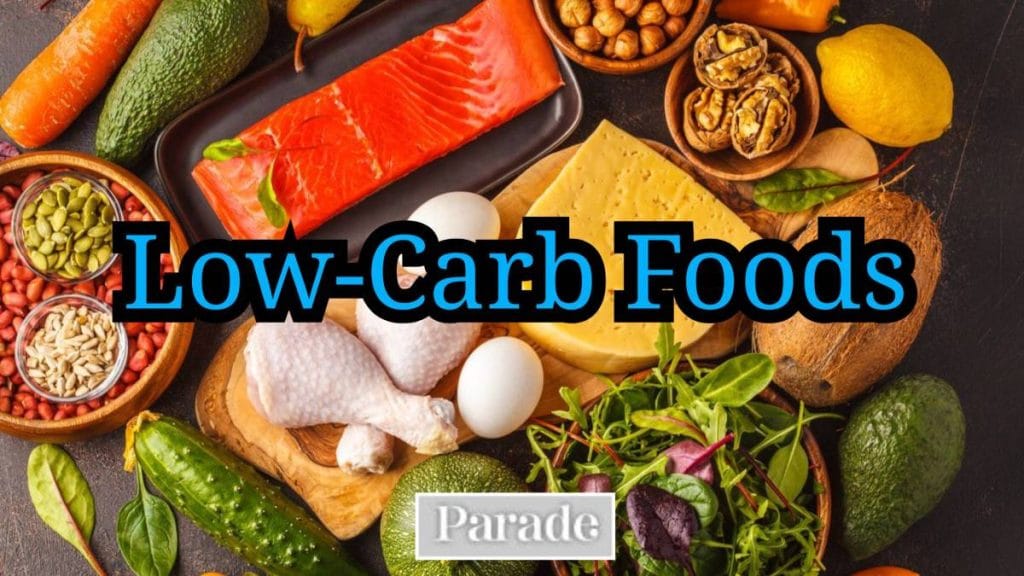
Fasting’s rules are simple but strict: no calories during the fast—water, unsweetened tea, or black coffee only. A splash of milk or sugar snaps ketosis, so keep it pure. Bone broth or electrolytes (salt in water) can ease early woes without breaking the fast, though purists debate this. When eating, quality counts—lean on whole foods like eggs, salmon, or lentils to fuel without junk. Low-carb or Mediterranean styles pair well, amplifying fat burn, though IF works with any plan if calories align.
Cravings might nudge—bread or sweets call loudest at first—but protein and fat (think avocado or nuts) squash them fast. Post-fast, start light—a handful of almonds or a veggie soup—easing digestion back in. The trick is balance, not bingeing, to keep fasting’s magic alive.
The Truth About Challenges: Fasting’s Real Side
Skipping meals isn’t all rosy—hurdles hit. Hunger pangs peak early, but water or a busy schedule distract; they fade as hormones adjust. Social eating—brunch dates, late dinners—clash with windows, so shift your fast (14/10 one day) or sip water while others eat. Fatigue or headaches signal dehydration or electrolyte dips—salt or magnesium helps. Women might notice hormonal shifts—shorter fasts (12–14 hours) suit some better, especially near cycles.
Long-term, over-fasting risks muscle loss or nutrient gaps—pair IF with strength training and variety to counter this. It’s not for everyone—pregnant folks, diabetics on meds, or those with eating disorder histories should consult a doctor. In 2025, flexibility is key—tweak IF to your life, not the reverse.
Benefits Beyond the Hype: What Science Says
Weight loss leads IF’s charge—trials show 3–8% body weight drops in 8–12 weeks—but metabolic wins steal the show. Insulin sensitivity jumps, slashing type 2 diabetes odds, while heart markers improve—less belly fat, better lipids. Brain fog lifts for many, though human cognition studies lag behind mice. Inflammation eases, and autophagy’s cellular scrub hints at anti-aging, though longevity’s a leap for now. The real truth? IF’s power grows with consistency—and a balanced diet—not fasting alone.
A Fasting Day: 16/8 in Action
Imagine this: Fast from 8 PM to noon—water and coffee flow free. At 12 PM, break with scrambled eggs, spinach, and avocado—protein and fat kickstart you. Lunch at 3 PM is grilled chicken with zucchini—light, satisfying. Dinner by 7 PM brings salmon, roasted broccoli, and olive oil—rich, full, done by 8 PM. A 2000-calorie day, no cravings, all within your window.
Timeline: Results and Reality
Energy shifts in days—less bloat, more zip—while weight drops 1–3 pounds in week one (water), then 0.5–1 pound weekly as fat burns. Hunger eases in 1–2 weeks; full adaptation—steady focus, no cravings—hits by month one. A carb-heavy slip pauses fat-burning 12–24 hours—just fast again to reset.
Conclusion: Skip Meals, Gain Health
Intermittent fasting turns skipping meals into science-backed strength—weight loss, clarity, vitality, without the hunger hype. This guide cracks it open: time your eats, fuel smart, feel the truth. Start today—skip breakfast, sip water, see the shift. Your fasting journey begins now, and the benefits are real.
0 comments