
High blood pressure sneaks up quietly, earning its nickname as the “silent killer” by raising risks for heart disease and stroke without obvious warning signs. Fortunately, you can fight back with a proven tool known as the DASH diet, an eating plan crafted to lower blood pressure naturally, no medication needed. In 2025, as more people prioritize heart health, this approach, called Dietary Approaches to Stop Hypertension, stands out for its ability to reduce blood pressure while keeping meals tasty and satisfying. If you want to manage your numbers without sacrificing flavor, this guide covers the essentials you need to get started.
In this detailed exploration, we’ll break down the foundations of the DASH diet, explain how it benefits your blood vessels, and offer practical steps to adopt it today. With insights grounded in science and tips designed for real life, this isn’t just about cutting salt. It’s about building a way of eating that supports your heart and delights your palate. Let’s dive into the basics and discover how DASH can lead you to a healthier, longer life.
What is the DASH Diet?
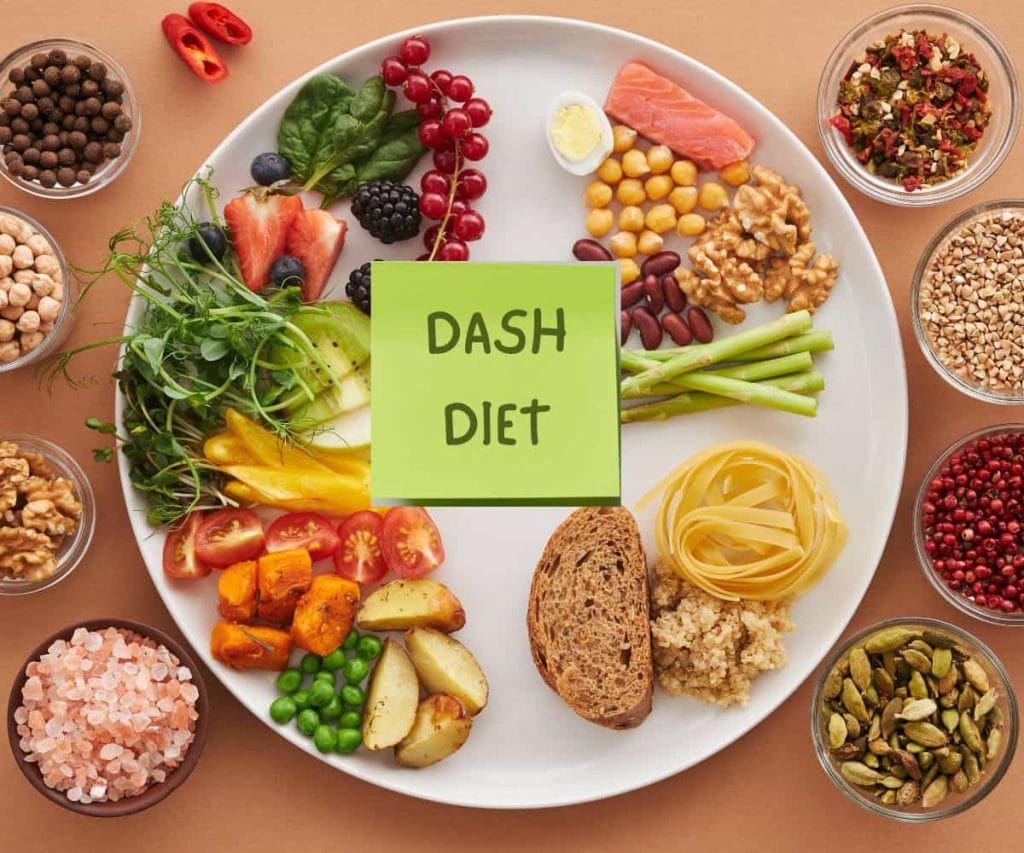
The DASH diet emerged from research in the 1990s, funded by the National Institutes of Health, to tackle hypertension head-on. Unlike trendy diets that come and go, it’s a balanced eating pattern rooted in whole foods packed with nutrients like potassium, calcium, and magnesium, all known to ease blood pressure. You’ll focus on vegetables, fruits, whole grains, lean proteins, and low-fat dairy while cutting back on sodium, saturated fats, and added sugars. The beauty lies in its simplicity, offering a wealth of flavorful options instead of strict limits.
This plan adapts to your calorie needs, whether you’re aiming for 1600 or 2500 calories daily, and doesn’t demand obsessive tracking. By 2025, variations like DASH-Sodium, which limits salt to 1500 mg per day, add extra potency for those needing a stronger effect. Backed by decades of evidence, DASH proves you can eat well and lower blood pressure without turning meals into a chore.
How DASH Lowers Blood Pressure: The Science Unveiled
The DASH diet works wonders on blood pressure, often dropping systolic readings by 8 to 14 mmHg in just weeks, thanks to a blend of smart nutritional moves. Sodium takes the biggest hit, since excess salt stiffens blood vessels and traps water, driving pressure up. The standard DASH plan caps sodium at 2300 mg daily, roughly a teaspoon, while the low-sodium version halves that for even better results. With less salt in play, your arteries loosen up, and blood flows more freely.
Beyond salt, the diet boosts intake of key minerals that counteract sodium’s effects. Potassium, found in bananas and spinach, helps your kidneys flush out salt, reducing tension in your vessels. Magnesium from nuts and whole grains relaxes arteries, and calcium in yogurt or leafy greens supports steady heart rhythms. Research in 2025 shows this mineral trio can rival some medications in effectiveness, all without side effects. Add in fiber and lean proteins, which trim fat and cholesterol, and you’ve got a recipe that lightens your heart’s workload naturally.
Starting DASH: Your Practical First Steps
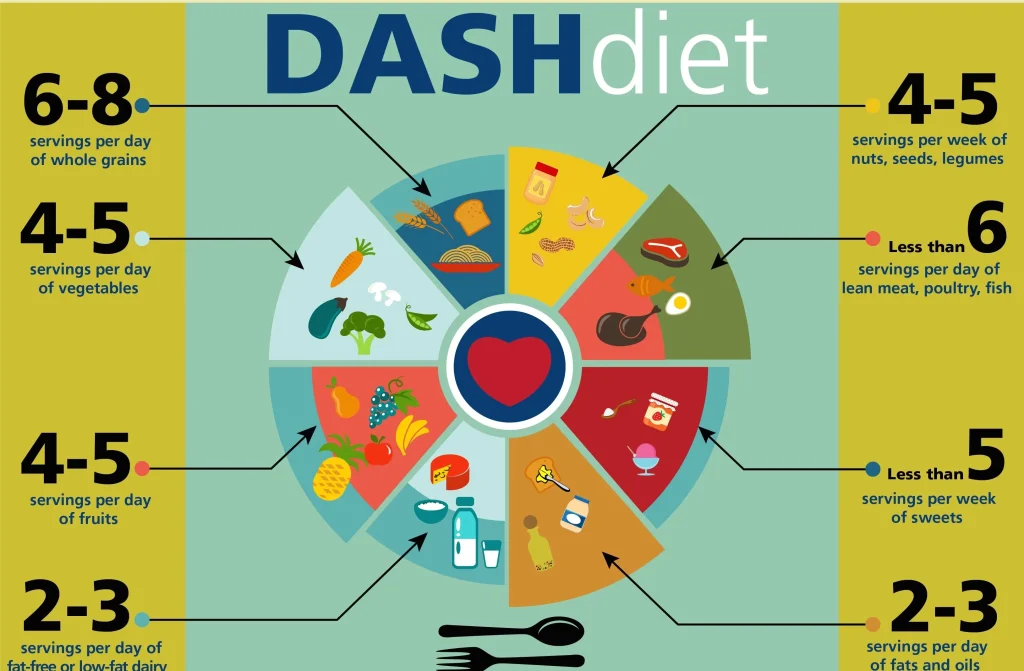
Adopting the DASH diet begins with small, manageable changes rather than a complete overhaul. Start by checking your sodium intake, aiming for 2300 mg daily, or 1500 if you’re ready for a bigger drop. Look at labels and replace table salt with herbs like oregano, thyme, or garlic to keep flavors bold. Next, shift your plate’s focus to plants, filling half with vegetables such as broccoli or carrots and fruits like berries or apples, nudging processed snacks aside. Swap white bread for whole grains like brown rice or quinoa, and choose lean proteins, think fish or turkey, over fatty cuts.
Take it slow, cutting sodium by 500 mg daily over a week and adding a veggie serving here and there to let your taste adjust. Water becomes your ally, flushing sodium and supporting pressure control. Tools like the My DASH Diet app or a simple journal can track your progress, fitting seamlessly into 2025’s tech-driven world. The key is to build gradually, starting where you are and growing into the habit without pressure.
Your DASH Plate: What to Eat and Trim
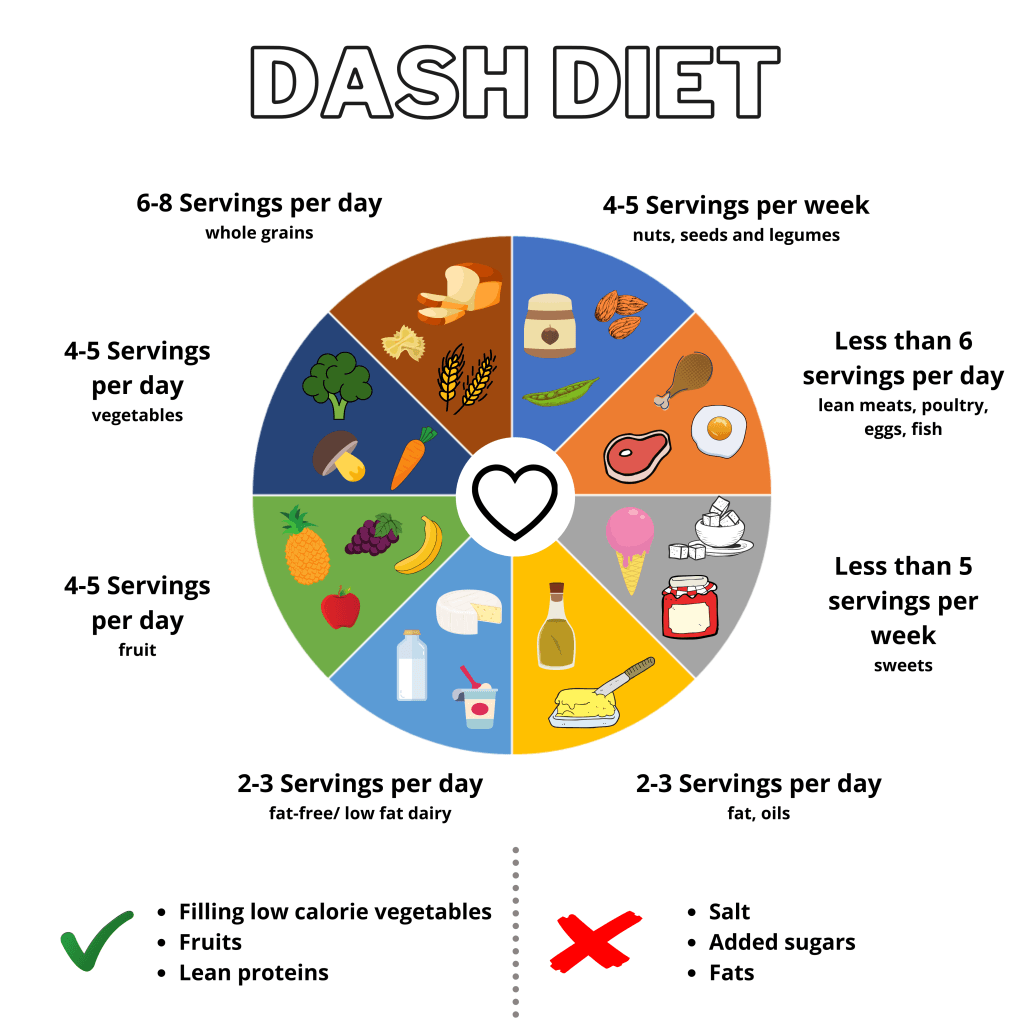
The DASH diet crafts meals with a nutrient-packed foundation, leaning heavily on whole foods over processed options. Vegetables form the base, with choices like spinach, sweet potatoes, and peppers bringing fiber and vital minerals, whether steamed or roasted. Fruits follow, offering natural sweetness and potassium through options such as oranges, strawberries, and pears. Whole grains, including oats, farro, and whole wheat pasta, provide steady energy, while lean proteins from chicken breast, salmon, or lentils fuel you without excess fat. Low-fat dairy, such as Greek yogurt or skim milk, delivers calcium, though fortified plant-based milks work if dairy’s off the table.
Healthy fats come from olive oil, avocados, and nuts, used modestly to replace butter or processed oils. Sodium gets a firm cut, so canned soups, deli meats, and chips give way to fresh or low-salt alternatives. Red meat and sweets, like steaks or cookies, shrink to occasional indulgences, overtaken by fish or fruit. In 2025, DASH-friendly recipes and meal kits, think veggie-rich stir-fries, make it easy to stay on track with taste and heart health in mind.
DASH’s Power: Beyond Blood Pressure
The DASH diet’s star turn is lowering blood pressure, often shaving 5 to 10 mmHg off readings in a month, but its benefits ripple further. Weight loss often follows, as fiber and lean foods naturally reduce calories, with studies showing 2 to 5 pounds lost in 8 weeks without hunger pangs. Heart health improves too, with LDL cholesterol dropping 10 to 15 points and triglycerides falling, cutting stroke risk. Blood sugar levels stabilize, offering a buffer against diabetes, thanks to fewer refined carbs and more fiber.
You’ll feel the energy boost quickly, free from salt bloat or sugar slumps, while inflammation eases due to plant-based antioxidants. Research in 2025 even suggests brain perks, with hints of slower cognitive decline, though more studies are needed. It’s not a magic bullet, but a broad, balanced approach that sets you up for lasting wellness.
Challenges and Fixes: DASH in Real Life
The DASH diet shines in theory, but real-world hurdles can test your resolve. Sodium hides everywhere, from restaurant dishes to sneaky sources like bread or sauces, making home cooking your best defense. Roast chicken or steam veggies to sidestep takeout traps. Time crunches hit hard, but batch-prepping grains or chopping produce ahead keeps you on pace. Costs can add up with fresh fish or nuts, though frozen veggies, bulk oats, and beans stretch your budget.
Social meals tempt with salty or fatty bites, so eat a light snack beforehand or pick lean options like grilled fish. Taste buds might miss salt at first, but spices or a splash of lemon retrain them fast. Dairy poses a challenge if you’re intolerant; fortified plant milks or calcium-rich greens step in. In 2025, resources like DASH apps or cookbooks such as DASH Done Slow lighten the load, keeping it doable.
A DASH Day: 2000-Calorie Blueprint
Picture your day starting with oatmeal made with skim milk, topped with walnuts and berries, delivering fiber and calcium in a hearty bowl. Lunch follows with grilled turkey, quinoa, and steamed broccoli, offering a lean, satisfying mix. Dinner brings baked cod alongside brown rice and sautéed spinach drizzled with olive oil, light yet flavorful. A snack of yogurt and an orange rounds it out, hitting 2000 calories and 2300 mg sodium, perfectly aligned with DASH goals.
Timeline: Results You’ll Feel
Expect blood pressure to dip within 1 to 2 weeks, dropping 5 to 10 mmHg, with faster gains at 1500 mg sodium. Energy picks up in days, free of bloating, while weight might ease down 0.5 to 1 pound weekly if calories dip. Heart markers improve over 1 to 3 months, and the full effect, vitality and ease, settles by month two. A salty slip might bump pressure briefly, but cutting back resets you fast.
Conclusion: Lower Pressure, Lift Life
The DASH diet’s basics hand you a natural way to lower blood pressure, blending science with meals you’ll love. This guide lays it out: reduce salt, embrace plants, feel the change. Start today, swap chips for nuts, roast some veggies, and watch your health rise. Your heart-friendly journey kicks off now, with DASH leading the way.
0 comments