
A balanced diet often feels like a puzzle, with conflicting advice and endless rules clouding what should be simple: eating well to feel good. In 2025, as health takes center stage, mastering nutrition doesn’t mean chasing trends or counting every calorie. It’s about finding a straightforward way to fuel your body with the right mix of nutrients, delivering energy, strength, and wellness without the stress. If you’re ready to cut through the noise and make eating healthy second nature, this guide is your starting point.
In this deep exploration, we’ll break down the essentials of a balanced diet, showing how to blend proteins, carbs, fats, and more into meals that work for you. With science as our foundation and practical steps as our path, this isn’t about perfection. It’s about simplifying nutrition so you can master it in your own kitchen, every day. Let’s dive into the basics and turn balanced eating into an easy win.

What is a Balanced Diet?
A balanced diet is all about variety and proportion, giving your body what it needs to thrive without overdoing or skimping on any one thing. Picture it as a plate that pulls from every food group: proteins to build and repair, carbohydrates for energy, fats for stamina and health, plus vitamins and minerals to keep everything humming. The goal isn’t rigid quotas but a mix that suits your life, whether you’re running marathons or just running errands.
In 2025, experts still lean on this core idea: think 40 to 50% carbs, 20 to 30% protein, and 20 to 30% fat, adjusted to your needs. It’s not a one-size-fits-all; a teen might need more fuel, a senior less, but the principle holds: whole foods like veggies, grains, and lean meats beat processed junk every time. This isn’t deprivation, it’s harmony—a way to eat that feels natural and keeps you going strong.
Why Balance Matters: The Science of Nutrition
Your body’s a machine, and a balanced diet is its fuel. Carbs, from oats or sweet potatoes, break into glucose, powering your brain and muscles; too few, and you crash, too many, and fat piles on. Proteins, think eggs or lentils, rebuild tissues and steady hunger, burning 20 to 30% more calories to digest than carbs. Fats, from nuts or olive oil, cushion organs, balance hormones, and stretch energy long-term, unlike sugar’s quick fizz.
Vitamins and minerals tie it together: calcium in yogurt strengthens bones, potassium in bananas eases blood pressure, iron in spinach fuels blood. Fiber, from beans or broccoli, slows digestion, cutting cravings and cholesterol. In 2025, studies show balanced eaters dodge diabetes, heart disease, and fatigue better than fad-diet hoppers, proving variety isn’t just tasty, it’s vital.
Building Your Balanced Diet: The Easy Blueprint
Mastering a balanced diet starts with a simple framework, not a rulebook. Fill half your plate with vegetables and fruits—broccoli, carrots, apples, or berries, for fiber and nutrients. A quarter gets whole grains—quinoa, brown rice, or oats, for steady carbs. The other quarter holds protein—chicken, fish, tofu, or beans, keeping muscles fed. Add a dollop of healthy fat, avocado, nuts, or a drizzle of olive oil, and you’ve got balance in one swoop.
Start slow if this feels new; swap white bread for whole grain one day, fries for roasted veggies the next. Aim for 3 meals and 1 to 2 snacks daily, tweaking portions to your hunger, 1600 calories for some, 2500 for others. In 2025, apps like MyPlate or a quick journal make it visual, no math needed. It’s about building a plate that fits you, not forcing a fit.
Eating Balanced: Your Food Playbook
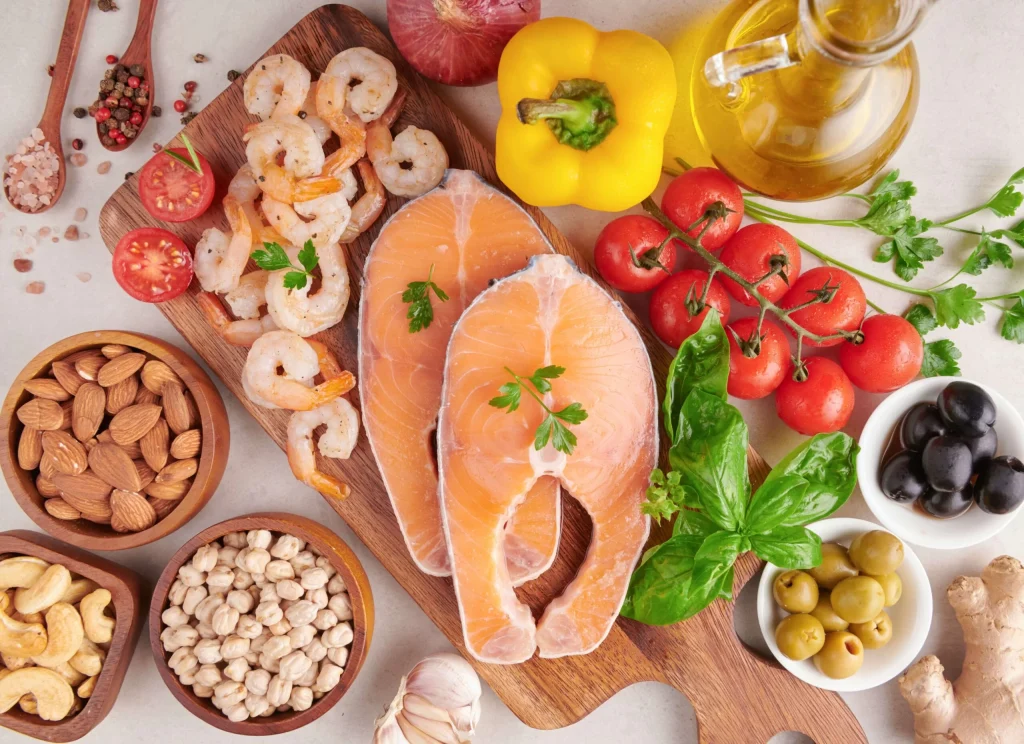
A balanced diet pulls from a wide palette, keeping meals rich and doable. Proteins span lean meats (turkey, beef), fish (salmon, cod), eggs, and plants (lentils, chickpeas), hitting 60 to 100 grams daily depending on size. Carbs flow from whole grains, farro, barley, whole wheat pasta, and starchy veggies like squash, fueling 150 to 200 grams for most. Fats come smart—olive oil, nuts, seeds, or fatty fish, capping at 50 to 70 grams.
Veggies and fruits pile on—spinach, kale, oranges, strawberries—4 to 5 cups daily for vitamins and bulk. Dairy or swaps, milk, yogurt, or fortified almond milk, add calcium; skip if intolerant, greens or supplements work. Cut processed traps—sodas, chips, pastries; they skew balance with empty calories. In 2025, recipes, think grain bowls or veggie stir-fries, make it tasty and simple.
Nutrition Made Easy: Avoiding the Pitfalls
Balance shines with attention; nutrients don’t falter if you mix it up. Protein’s easy with variety, no meat needed if beans and grains team up. Carbs confuse—too few sap energy, too many bloat, aim for whole over white. Fats trip some, low-fat fads linger, but healthy fats fuel, not fatten, in moderation. Vitamin gaps, like B12 or D, hit if dairy’s out; fortified foods or a multi plug them.
Calories can slide; overeating processed junk or undereating plants both stall health. Hydration ties it, 2 to 3 liters of water daily keep digestion and energy smooth. In 2025, dietitians push whole foods over pills, tweaking as you go beats rigid rules.
Real-Life Balance: Overcoming Hurdles
A balanced diet fits life, but challenges nudge. Time crunches push takeout; batch-cook grains or chop veggies ahead to stay steady. Social meals tempt, pizza or cake call, pick lean bites (grilled chicken) or share dessert to bend, not break. Cost stings, fresh fish or nuts climb, but frozen produce, bulk rice, and eggs save.
Taste shifts slow; sugar or salt cravings nag, spices or fruit retrain fast. Confusion hits, “Is this balanced?” apps or a plate model clear it. In 2025, communities online or cookbooks like Simply Recipes keep it fun, proving nutrition’s easy, not elusive.
A Balanced Day: 2000-Calorie Snapshot
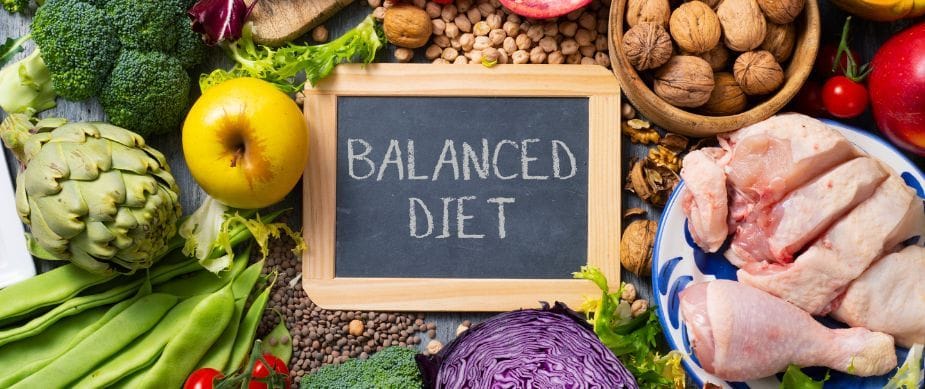
Picture breakfast as oats with milk, walnuts, and berries, fiber and protein to start. Lunch is a turkey quinoa bowl with spinach and olive oil, hearty and whole. Dinner’s salmon with brown rice and roasted broccoli, rich and full. Snacks, yogurt and an apple, then almonds, hit 2000 calories, balanced and smooth.
Timeline: Feeling the Wins
Energy lifts in days, no bloat or crashes, while weight steadies in 1 to 2 weeks if calories match burn. Health markers, cholesterol or sugar, shift in 1 to 3 months; full vibe, strength and ease, locks by month two. A junk slip slows, reset next meal.
Conclusion: Balance, Mastered, Yours
Mastering a balanced diet simplifies nutrition, blending science with meals you love. This guide hands you the reins: mix plants, proteins, fats, feel the ease. Start today, swap chips for nuts, cook some grains, own it. Your balanced life begins now, and it’s simpler than you think.
0 comments