
As 2025 unfolds, the diet landscape is buzzing with fresh ideas, shifting priorities, and a mix of innovative and revisited eating patterns. This year, people are gravitating toward approaches that promise health, sustainability, and personalization, while others fade under scrutiny or simply lose their shine. From protein-packed plans to tech-driven nutrition, the trends shaping 2025 reflect a world where food choices are as much about feeling good as they are about fitting into a busy, eco-conscious life. If you’re wondering what’s hot and what’s not in the diet scene this year, this guide sifts through the noise to spotlight the winners and the ones worth skipping.
In this deep exploration, we’ll dive into the diets heating up in 2025, unpack why they’re gaining traction, and flag the ones cooling off, all grounded in early-year insights and expert takes. With science as our lens and practical advice as our focus, this isn’t about chasing every fad. It’s about decoding what’s working, what’s waning, and how you can navigate the year’s food trends to eat smarter. Let’s break down the hottest and not-so-hot diet trends of 2025 and see where they land.
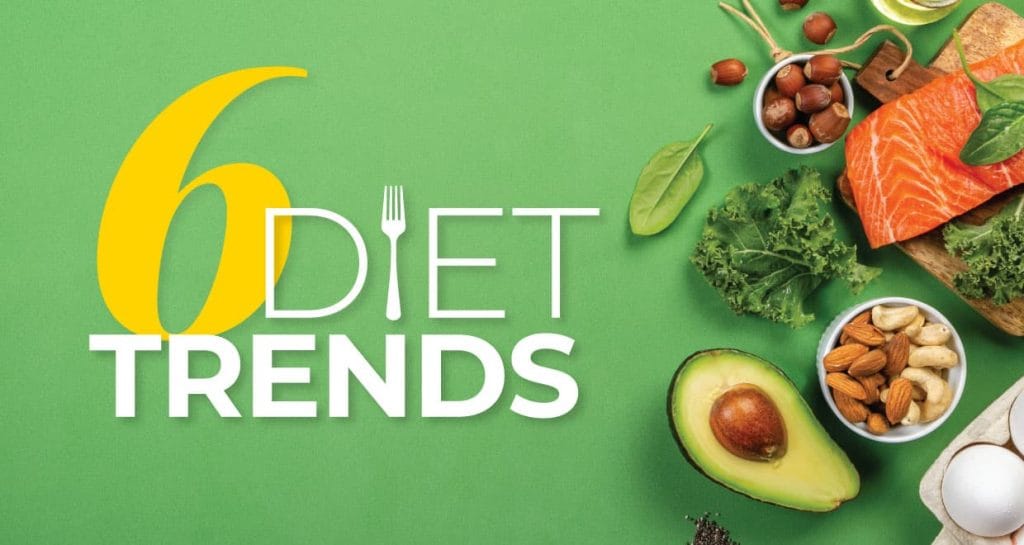
What’s Hot in 2025: The Rising Stars
High-Protein Everything
Protein’s reign as a dietary darling isn’t slowing down in 2025; if anything, it’s hitting new heights. Nutritionists note its starring role in muscle maintenance, weight management, and satiety, especially as more folks pair it with weight loss medications like GLP-1s. This year, it’s less about chugging shakes and more about weaving protein into every bite—think cottage cheese spiking breakfast bowls, organ meats sneaking into burgers, and even protein-enriched snacks like fortified crackers. Early 2025 surveys show 71% of Americans are actively upping their protein, a jump from 67% last year, fueled by a shift toward whole-food sources over powders.
What’s driving it? Beyond gym buffs, everyday eaters want fullness that lasts, and protein delivers, burning 20 to 30% more calories to digest than carbs or fats. Innovative sources like lab-grown meat and plant-based options (pea protein, anyone?) are also hot, blending health with sustainability. It’s not just quantity; quality’s key—gut-friendly proteins from yogurt or fermented beans are trending as people eye digestion alongside strength.
Personalized Nutrition
If 2025 has a buzzword, it’s “personalization.” Tailored eating plans, powered by genetic testing, microbiome scans, and wearable tech, are surging as people ditch one-size-fits-all diets. Early adopters are using continuous glucose monitors to tweak carbs or apps to match meals to sleep goals, with experts predicting a boom in services offering custom plans. Data from nutrition circles in March 2025 shows demand spiking, though high costs—think hundreds for a full analysis—keep it elite for now.
Why’s it hot? It’s precise; your DNA might say more fat, less starch, while your gut begs for fiber. Studies hint at 10 to 15% better health outcomes (think blood sugar or energy) when diets align to your body’s quirks. Tech’s the kicker—wearables track real-time responses, making tweaks a breeze. It’s not mainstream yet, but it’s the future flexing its muscles.
Anti-Inflammatory Diets
The anti-inflammatory diet is sticking around in 2025, climbing higher as research ties it to brain health, heart strength, and chronic disease defense. Packed with fruits, veggies, nuts, omega-3 fish, and tea, it’s less a diet and more a lifestyle, with a 16% interest spike online this year already. Think turmeric-dusted salmon or berry-kale smoothies—flavor meets function.
Science backs the heat: a 2025 study links it to lower cognitive decline risk, especially for diabetics, cutting odds by up to 20%. Inflammation’s the enemy—think joint pain or fatigue—and these foods fight it with antioxidants and healthy fats. It’s hot because it’s adaptable; flexitarians or meat-lovers can tweak it, keeping it fresh and doable.
Plant-Based Flex
Plant-based eating isn’t fading, but it’s flexing in 2025. Full veganism holds steady at 3% of eaters, per early surveys, yet flexitarian and Mediterranean-style plans—mixing plants with occasional meat—are soaring, hitting 18% combined. Think lentil bowls with a side of grilled fish or nut cheeses topping veggie pizzas. Sustainability’s a driver, with plant-heavy diets cutting emissions 30%, but health’s the hook—fiber and phytonutrients galore.
It’s hot for its balance; no all-in vows needed. Studies show 5 to 10% cholesterol drops in weeks, plus steady weight loss (0.5 to 1 pound weekly) without hunger. In 2025, it’s less preachy, more practical—perfect for the “mostly plants” crowd.
What’s Not in 2025: The Cooling Trends
Extreme Detoxes
Detox diets—juice cleanses, tea purges, or water fasts—are chilling out in 2025, losing steam as science doubles down on your body’s built-in cleanse crew: liver, kidneys, lungs. The promise of flushing “toxins” sounds sexy, but early-year chatter flags them as overhyped; a 5-pound drop in 3 days is water, not fat, rebounding fast. Nutritionists in March 2025 call them stress inducers—cortisol spikes, nutrients tank—over helpers.
Why’s it not? No evidence shows they beat your organs’ daily grind, and hunger plus cost (juice kits hit $100+) sour the deal. Real food—fiber, water, sleep—cleanses better, cheaper, making detox a has-been.
Carnivore Diet
The carnivore diet, all meat, all the time, peaked hard but’s cooling in 2025. Raw dairy and high-fat ratios trended on X early this year, yet the shine’s fading; zero fiber, sky-high sodium, and no antioxidants tank its long-game cred. Studies link plant-rich diets to 20% lower chronic disease risk—carnivore’s the opposite, and folks are noticing.
It’s not hot because it’s extreme; gut health flops without plants, and 2025’s sustainability push clashes with meat-only’s footprint. Some swear by it short-term, but most ditch it—too narrow, too niche.
Oatzempic and TikTok Fads
“Oatzempic”—oats, water, lime—blew up on TikTok as “nature’s Ozempic,” but by March 2025, it’s fizzling. No research backs its weight loss claims beyond oats’ fiber (filling, yes; miracle, no). Other viral hacks, like lemon coffee or mouth-taping, are sliding too; experts call them gimmicks, not game-changers, with zero staying power.
Why’s it not? Flashy but flimsy—real loss needs a deficit, not a blend. In 2025, substance trumps stunts; folks want plans, not potions.
Ultra-Restrictive Fads
Extreme cuts—keto’s 20-gram carb cap, OMAD’s one-meal window—are losing grip in 2025. Early data shows intermittent fasting holds at 13%, but ultra-tight rules (16:8’s fine, 23:1’s out) flop long-term; 80% quit in months, per studies. Perfection’s the enemy—too hard, too pricey, too isolating.
It’s not because balance beats bans; 85% healthy eating, 15% flex, wins for life, not a sprint. In 2025, rigid fades, real sticks.
Making It Work: Your 2025 Playbook
Hot Hacks to Try
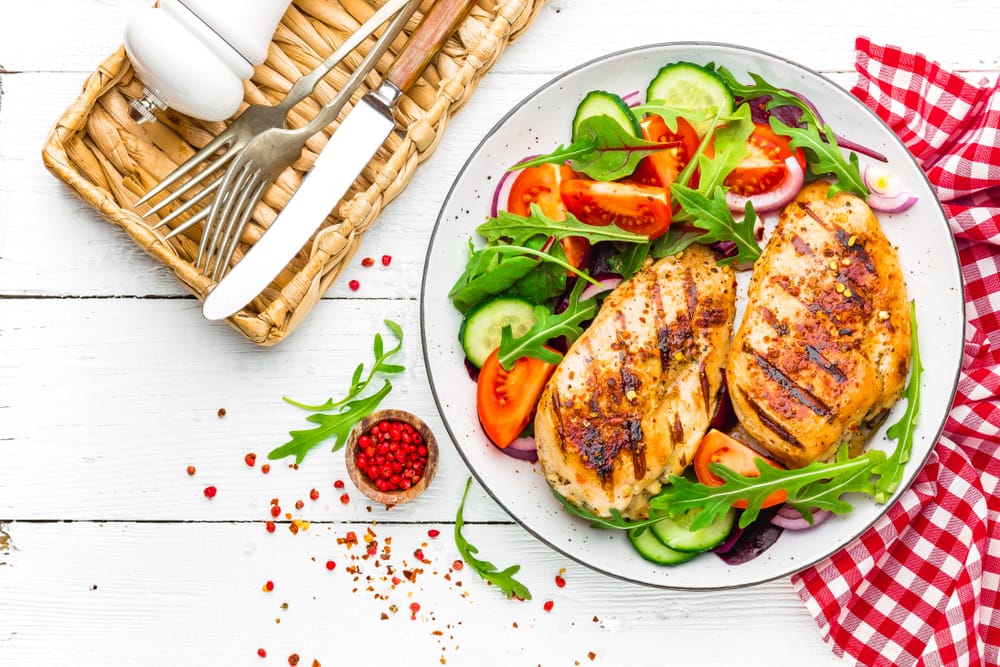
Lean into high-protein with cottage cheese on toast or lentils in soups—20 to 30 grams per meal keeps you full, builds muscle. Test personalized tweaks; a $20 app like MyFitnessPal tracks basics, or splurge on a glucose monitor if you’re deep in. Anti-inflammatory’s easy—swap fries for roasted beets, coffee for ginger tea. Flex plant-based with meatless Mondays, adding fish Friday; it’s low-lift, high-reward.
Stock your kitchen: eggs, spinach, almonds, oats—versatile, cheap. In 2025, meal kits or apps like Yummly spark ideas, keeping hot trends tasty.
Dodging the Not
Skip detox; hydrate (2 to 3 liters) and sleep (7 to 8 hours) cleanse free. Carnivore’s a pass—mix plants, save gut grief. Ignore TikTok’s buzz; oats are great, but no “zempic” shortcut exists. Ease off extremes; a 300-calorie deficit trumps 1000—sustainable beats savage.
Shop smart: bulk grains, frozen veggies dodge fad costs. In 2025, forums like r/nutrition or books like The Small Change Diet ground you in what lasts.
A 2025 Day: Hot vs. Not
Hot (1800 calories):
Breakfast, Greek yogurt (20 grams protein), berries (15 grams carbs), nuts (10 grams fat).
Lunch, salmon (25 grams protein), quinoa (20 grams carbs), kale (5 grams fat).
Dinner, chicken (25 grams protein), sweet potato (20 grams carbs), spinach (5 grams fat).
Snack, apple with almond butter—balanced, trending.
Not (1600 calories):
Breakfast, juice cleanse (50 grams carbs, 0 protein).
Lunch, steak (30 grams protein, 20 grams fat, 0 carbs).
Dinner, Oatzempic (25 grams carbs, 5 grams protein)—extreme, fleeting.
Timeline: Trends in Motion
Hot kicks in fast: protein fills day one, energy lifts week two; personalized tweaks show by month two, anti-inflammatory glows in three. Not fades quicker: detox crashes day three, carnivore drags by week two, fads bore by month’s end. In 2025, sticking power sorts the hot from the not.
Conclusion: Your 2025 Diet Move
2025’s diet trends split clear: high-protein, personalized, anti-inflammatory, and plant-flex are hot, blending science, sustainability, and satisfaction. Detox, carnivore, TikTok hacks, and ultra-restrictive fade—not enough juice for the squeeze. This guide hands you the map: pile on plants, tweak to you, skip the stunts. Start today—swap chips for nuts, plan a plate, feel the shift. Your 2025 eating begins now, hot and yours to own.
0 comments