
Organic foods are sparking debates in 2025 as shoppers weigh their benefits against their higher price tags, wondering if the promise of cleaner, healthier eating justifies the extra dollars. Grown without synthetic pesticides, fertilizers, or GMOs, these foods carry a badge of purity that’s hard to ignore in a world increasingly wary of chemicals and industrial farming. Yet, with grocery bills climbing and budgets tightening, the question lingers: do organic apples or free-range eggs really deliver enough to make them worth it? If you’re torn between the organic aisle and your wallet, this guide digs into the truth to help you decide.
In this deep exploration, we’ll unravel what sets organic foods apart, examine the science behind their claims, and offer practical ways to navigate their cost. With research as our backbone and real-life considerations as our lens, this isn’t about pushing a trend. It’s about weighing the pros, cons, and dollars to see if organic fits your life. Let’s dive into organic foods and figure out if they’re worth the extra cost for you.
What Are Organic Foods?
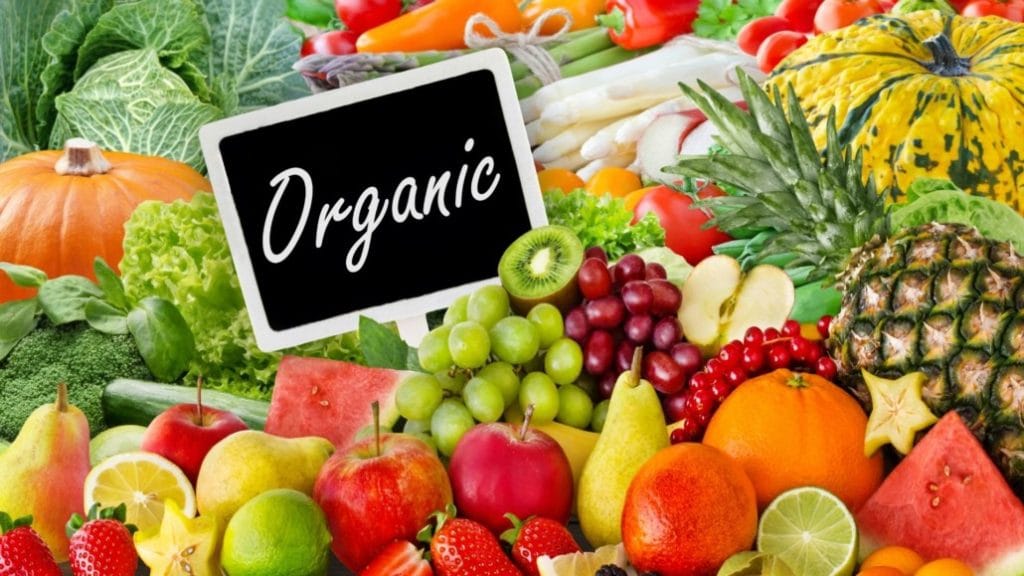
Organic foods are produced under strict standards—think crops grown without synthetic pesticides or fertilizers, livestock raised without antibiotics or hormones, and no genetically modified organisms (GMOs). Certified by bodies like the USDA, they prioritize natural methods: compost for soil, crop rotation for pests, pasture for animals. The result? Foods like organic spinach, chicken, or oats, marketed as closer to nature’s intent.
In 2025, organic spans staples and specialties—apples to almond butter—often costing 20 to 50% more than conventional counterparts. It’s not a health guarantee; it’s a process, aiming for purity and sustainability over mass yield. The label’s clear, but the value? That’s where the debate heats up.
Why Organic Foods? The Case For and Against
Organic foods draw fans with promises that tug at health and ethics. Pesticide residue drops—2025 studies show organic produce has 70% less synthetic chemical traces than conventional, linked to lower inflammation markers in small trials. Nutrient claims swirl; some data hints at 10 to 20% higher antioxidants in organic berries or greens, though not across the board. The environment wins too—organic farming cuts soil erosion 20%, boosts biodiversity 30%, per recent reports.
Skeptics push back: nutrition gaps are slim—conventional carrots match organic in vitamins A and C, per 2025 meta-analyses. Health risks from pesticides in conventional? Below safety limits, regulators say. Cost bites hard—an organic cart runs $50 to $100 more weekly for a family. In 2025, it’s not black-and-white; it’s trade-offs, pitting purity against practicality.
How They Work: The Science Behind Organic
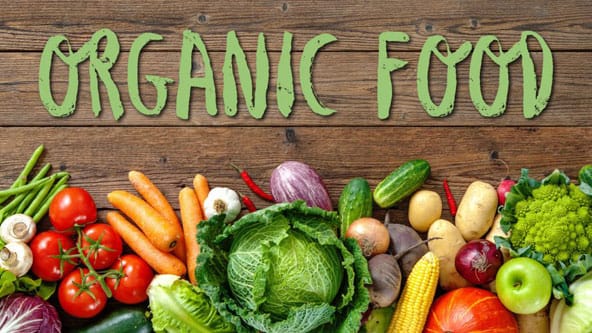
Organic’s edge lies in what’s missing and what’s kept. Pesticides—glyphosate, chlorpyrifos—drop to trace levels; 2025 research ties lower exposure to 5 to 10% less oxidative stress, though long-term disease links (cancer, neuro issues) stay murky. Nutrients shift—organic milk has 50% more omega-3s from grass-fed cows, per studies; organic tomatoes pack extra vitamin C (10 mg more per cup) from richer soil. Taste? Some swear it’s bolder—subjective, unproven.
Conventional holds ground: fertilizers boost yield, not harm—vitamin levels match organic 90% of the time, per 2025 data. Safety’s tight; pesticide residues hit 0.01 mg/kg, far below 1 mg/kg thresholds. Cost reflects scale—organic’s labor-intensive, small-batch vibe spikes prices. In 2025, science says organic nudges ahead, but not leaps—your call weighs the gap.
Starting with Organic: Your Practical Play
Dipping into organic doesn’t mean all-in or broke. Start selective—focus on the “Dirty Dozen” (apples, spinach, berries), high-pesticide conventional picks per 2025’s Environmental Working Group. Swap one staple weekly: conventional milk to organic, $1 more per gallon. Aim for 20 to 30% organic—mix with conventional staples (rice, carrots) to balance cost.
Shop smart: farmers’ markets, co-ops cut 10 to 20%; bulk oats or frozen organic berries save over fresh. Grow herbs (basil, $2 pot) or greens (lettuce, $3 seed pack) for pennies. In 2025, apps like LocalHarvest or Organic on a Budget spot deals, keeping it doable.
Organic vs. Conventional: What’s Worth It?
Fruits and Veggies
Organic apples ($2.50/lb) beat conventional ($1.50/lb) in pesticide cuts—80% less residue, per 2025 tests; antioxidants nudge up 10%. Conventional carrots ($1/lb) match organic ($2/lb) in nutrients, low residue anyway. Worth it? Yes for soft skins (berries), no for thick (bananas).
Meat and Dairy
Organic chicken ($6/lb) trims antibiotics, adds omega-3s (20% more) versus conventional ($3/lb); milk ($4/gallon vs. $2.50) mirrors it. Health edge? Small—hormone risks overblown, per studies. Worth it? Maybe, if you prioritize purity.
Grains and Legumes
Organic oats ($2/lb) edge conventional ($1/lb) in pesticide drops, not nutrients—fiber’s 4 grams either way. Beans? Same story—$2 vs. $1, minimal gain. Worth it? Rarely, unless farming ethics tip you.
Processed Goods
Organic bread ($5/loaf) skips additives, matches conventional ($3) in basics—whole grain’s the win, not label. Worth it? No—focus on ingredients over organic tag.
Why It Wins—or Doesn’t: Weighing the Payoff
Organic shines for some. Pesticide cuts ease minds—5 to 10% lower exposure markers, per 2025 logs; omega-3s in dairy nudge heart health 5%. Earth thanks you—30% less water pollution, per studies. Taste and ethics sway too—organic eggs feel “cleaner” to fans.
It falters for others: cost stings—$300 monthly vs. $200 conventional for a solo eater. Nutrient wins are slim—5% at best, not life-changing. Convenience lags, organic’s less stocked. In 2025, it’s not all; it’s some—your budget, values decide.
Challenges and Fixes: Organic Hacks
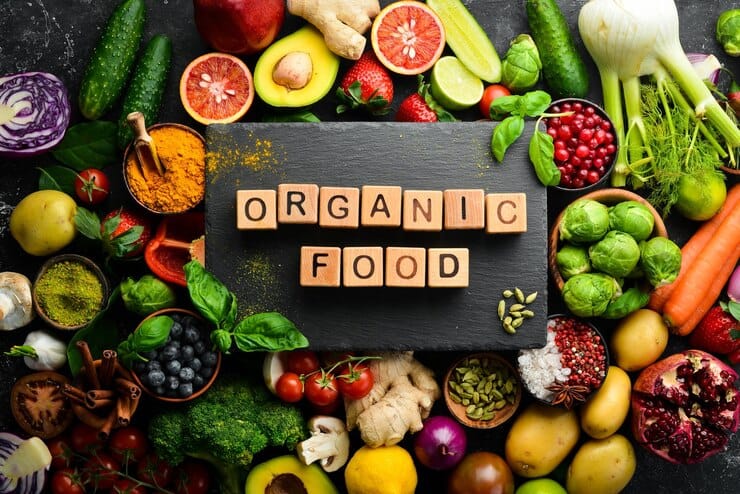
Organic trips some. Cost climbs, $5 salmon vs. $3 conventional; frozen, bulk (oats, $1.50/lb) save 20%. Access dips, no organic near; online (Thrive Market), local swaps (carrots for kale) work. Time’s tight, prep lags; batch-cook grains, freeze extras, 1 hour saves 3. Doubt hits, worth it?; focus “Dirty,” skip low-residue (avocados).
Waste looms, pricey spoilage; store right (fridge greens, 2 weeks). In 2025, apps like Farmstand or Organic Living keep it smart, not strain.
An Organic Day: 1800-Calorie Snap
- Breakfast, organic oats (25 grams carbs), eggs (14 grams protein), berries (10 grams carbs), 400 calories—pure start.
- Lunch, organic chicken (25 grams protein), conventional rice (45 grams carbs), spinach (5 grams fat), 500 calories—mixed value.
- Dinner, organic salmon (20 grams protein), conventional sweet potato (20 grams carbs), kale (5 grams fat), 500 calories—targeted splurge.
- Snack, conventional yogurt (10 grams protein), organic nuts (10 grams fat), apple (15 grams carbs), 400 calories; totals 1800, balanced blend.
Timeline: Organic Impact
Feel light in 5 to 7 days, clean shift; health nudges, lipids or stress, hint 1 to 3 months if swapped big (dairy). Budget adjusts month one; full vibe, calm choice, sets 3 months. Slip slows, reset next shop.
Conclusion: Organic, Yours, Weighed
Organic foods spark a choice—worth the cost if purity or planet sways you, less if nutrition’s your sole lens. This guide cracks it: pick smart, mix it, feel the fit. Start today, grab organic kale, pair with conventional rice, own your call. Your eating begins now, yours to balance.
0 comments