

Inflammation is a natural part of the body’s defense system, but when it lingers too long, it can lead to chronic pain and serious health problems. The good news? You can fight inflammation right from your kitchen. By filling your plate with anti-inflammatory foods, you can reduce pain, boost your overall health, and even lower your risk of chronic diseases. This guide dives deep into what anti-inflammatory foods are, how they work, and how you can easily incorporate them into your daily life.
What Is Inflammation and Why Does It Matter?
Inflammation is your body’s way of responding to injury or infection. It’s a protective process, but it comes in two forms:
- Acute Inflammation: This is the short-term kind—like when you stub your toe and it swells up briefly. It’s helpful and fades once the issue is resolved.
- Chronic Inflammation: This is when inflammation sticks around, silently damaging tissues and contributing to conditions like arthritis, heart disease, and diabetes.
Chronic inflammation can be triggered by stress, lack of exercise, or a poor diet filled with processed foods. Left unchecked, it leads to pain, fatigue, and a higher risk of long-term illness. That’s where your diet comes in—it’s one of the most powerful tools to manage inflammation naturally.
How Diet Influences Inflammation
What you eat can either fuel inflammation or calm it down. Let’s break it down:
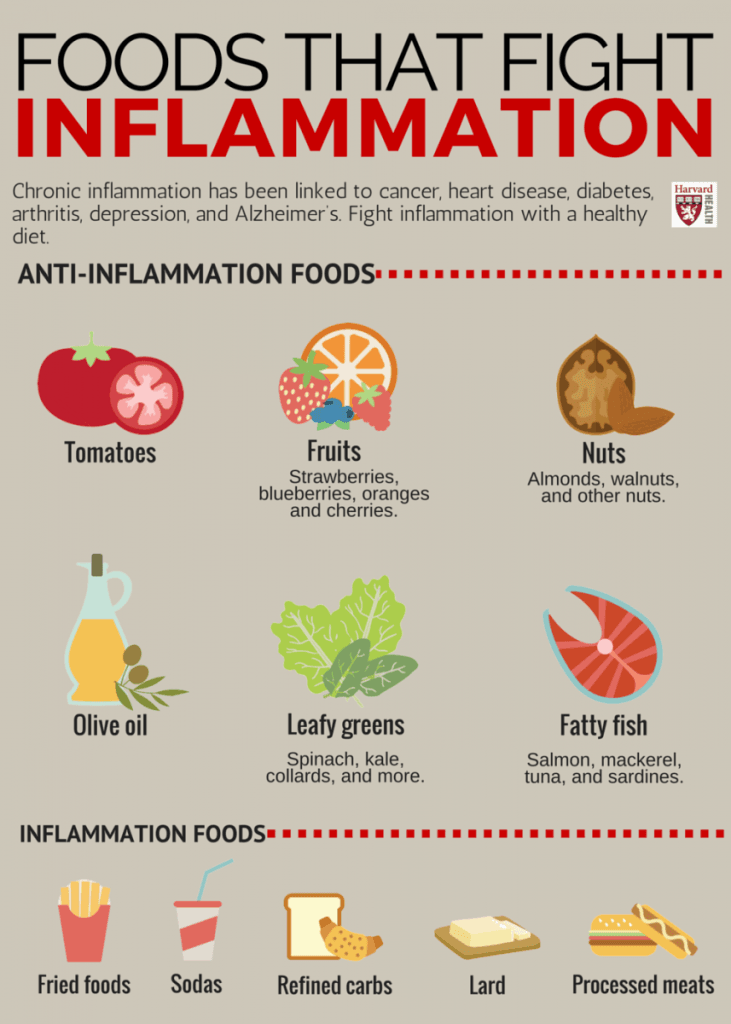
Foods That Worsen Inflammation
Some foods are known to spark or worsen inflammation:
- Processed Sugars: Think sodas, candies, and desserts—these spike blood sugar and trigger inflammatory responses.
- Refined Carbs: White bread, pasta, and pastries lack fiber and promote inflammation.
- Trans Fats: Found in fried foods and packaged snacks, these are inflammation’s best friend.
- Processed Meats: Hot dogs and sausages often contain additives that inflame the body.
- Too Much Alcohol: Excessive drinking can harm your liver and increase inflammation.
Foods That Fight Inflammation
On the flip side, anti-inflammatory foods are loaded with nutrients that help your body heal. These foods:
- Neutralize harmful free radicals
- Reduce inflammatory markers like cytokines
- Support gut health (a key player in inflammation)
- Keep blood sugar stable
By swapping out pro-inflammatory foods for anti-inflammatory ones, you can start reducing pain and feeling better fast.
The Best Anti-Inflammatory Foods to Add to Your Plate
Ready to eat your way to less pain? Here’s a list of the top anti-inflammatory foods, packed with science-backed benefits:
Fruits
Fruits are bursting with antioxidants and fiber—perfect for taming inflammation.
- Berries: Blueberries, strawberries, and raspberries are rich in anthocyanins, which fight inflammation.
- Cherries: Great for easing muscle pain, especially after workouts, thanks to their anti-inflammatory compounds.
- Pineapple: Contains bromelain, an enzyme that reduces swelling and discomfort.
- Apples: High in quercetin, a natural anti-inflammatory antioxidant.
Vegetables
Veggies are nutritional superstars when it comes to reducing inflammation.
- Leafy Greens: Spinach, kale, and Swiss chard are loaded with vitamins A, C, and K.
- Broccoli: Packed with sulforaphane, which lowers inflammation-causing cytokines.
- Bell Peppers: High in vitamin C and antioxidants to combat free radicals.
- Beets: Support detoxification and reduce inflammation with their vibrant nutrients.
Whole Grains
Unlike refined grains, whole grains keep their anti-inflammatory fiber and nutrients.
- Oats: Contain beta-glucan, a fiber that helps reduce inflammation.
- Brown Rice: Offers magnesium and selenium to fight inflammation.
- Quinoa: A protein-packed grain with antioxidants and fiber.
Healthy Fats
Not all fats are bad—some are inflammation-fighting heroes.
- Olive Oil: Extra virgin olive oil has oleocanthal, which mimics anti-inflammatory drugs.
- Avocados: Full of monounsaturated fats and potassium to ease inflammation.
- Chia and Flaxseeds: Rich in omega-3 fatty acids, known for their anti-inflammatory power.
Nuts and Seeds
Small but mighty, these are great sources of healthy fats and antioxidants.
- Almonds: High in vitamin E to protect cells from damage.
- Walnuts: Loaded with omega-3s and polyphenols to reduce inflammation.
- Sunflower Seeds: Packed with selenium and vitamin E.
Fish and Seafood
Fatty fish are some of the best sources of anti-inflammatory omega-3s.
- Salmon: Contains EPA and DHA, omega-3s that lower inflammation.
- Mackerel: Another omega-3 powerhouse.
- Sardines: Tiny fish with big anti-inflammatory benefits.
Herbs and Spices
Spices add flavor and pack a serious anti-inflammatory punch.
- Turmeric: Its curcumin content is a natural inflammation fighter.
- Ginger: Eases muscle pain and soreness with its bioactive compounds.
- Garlic: Sulfur compounds in garlic help reduce inflammation.
- Cinnamon: Lowers blood sugar and inflammation.
How to Incorporate Anti-Inflammatory Foods into Your Life
Eating anti-inflammatory doesn’t mean overhauling your entire diet overnight. Here’s how to make it simple and delicious:
Practical Tips
- Breakfast Boost: Add berries and chia seeds to oatmeal or yogurt.
- Smart Snacking: Grab a handful of nuts or sliced veggies with hummus.
- Cooking Hack: Use olive oil instead of butter or vegetable oil.
- Spice Things Up: Sprinkle turmeric or ginger into soups, smoothies, or stir-fries.
- Grain Swap: Replace white rice with quinoa or brown rice.
Easy Meal Ideas
- Breakfast: Overnight oats with almond milk, blueberries, and cinnamon.
- Lunch: Quinoa salad with roasted veggies, avocado, and olive oil dressing.
- Dinner: Grilled salmon with steamed broccoli and a turmeric-spiced sweet potato.
- Snack: Apple slices with almond butter or a few walnuts.
Lifestyle Boosters
- Hydrate: Water helps flush out toxins that fuel inflammation.
- Move More: Regular exercise pairs perfectly with an anti-inflammatory diet.
- De-Stress: Try yoga or meditation—stress is an inflammation trigger.
- Sleep Well: Aim for 7-9 hours to let your body recover.
Start with small changes, like adding one new food a day, and build from there.
The Benefits of Eating Anti-Inflammatory Foods
Switching to an anti-inflammatory diet isn’t just about reducing pain—it’s a game-changer for your whole body. Here’s what you’ll gain:
- Less Pain: Say goodbye to joint stiffness, muscle aches, and chronic discomfort.
- Heart Health: Lower inflammation means a reduced risk of heart disease and stroke.
- Gut Glow: A healthy gut fights inflammation and improves digestion.
- Stronger Immunity: Antioxidants boost your body’s defenses.
- Weight Control: Nutrient-dense foods help you maintain a healthy weight naturally.
- Disease Prevention: Cut your risk of diabetes, cancer, and autoimmune issues.
People often notice less pain and more energy within weeks of making these changes.
Busting Myths About Anti-Inflammatory Diets
There’s a lot of buzz about anti-inflammatory eating, but some myths persist. Let’s clear them up:
- Myth: “It’s too restrictive.”
Truth: You’ve got tons of tasty options—fruits, veggies, nuts, and more. - Myth: “All fats are off-limits.”
Truth: Healthy fats like olive oil and avocados are must-haves. - Myth: “It’s pricey.”
Truth: Oats, beans, and seasonal produce are budget-friendly. - Myth: “Results take forever.”
Truth: Many feel better in just a few weeks.
Focus on what you can eat—it’s an abundant, flavorful way to live.
Take Control of Your Health Today
Your plate is a powerful tool for reducing pain and inflammation. By choosing anti-inflammatory foods like berries, leafy greens, salmon, and turmeric, you’re not just easing discomfort—you’re investing in long-term health. Start small, try new recipes, and watch how your body responds. From less pain to more energy, the benefits are worth it.
So, grab a fork and dig in—your journey to feeling better starts with your next bite!
0 comments