
In today’s fast-paced world, cooking healthy meals every day can feel overwhelming. Between work, family, and other commitments, it’s easy to resort to fast food or skip meals altogether. That’s where meal prepping comes in—a simple, effective way to save time, reduce stress, and enjoy nutritious, home-cooked meals all week long. By dedicating just a few hours to planning and cooking, you can take control of your diet and make healthy eating effortless. Let’s dive into how meal prepping works and how you can start today.
What Is Meal Prepping?
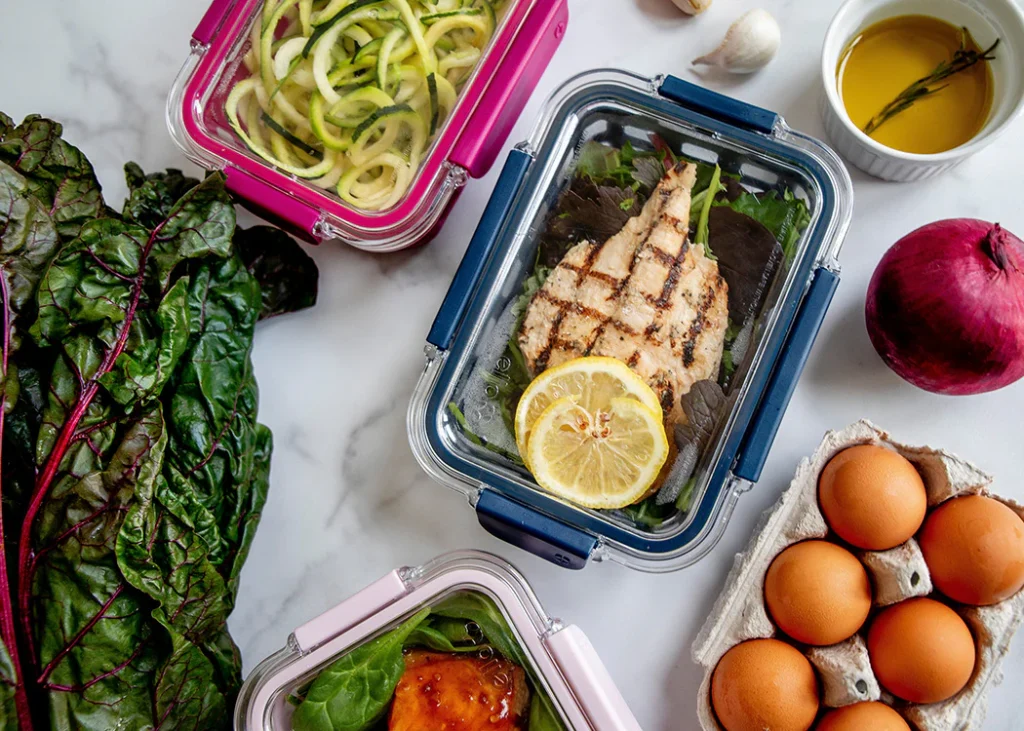
Meal prepping is the practice of planning and preparing meals ahead of time, usually for the week. You cook large batches of food, portion them into individual servings, and store them for quick access. This method saves time by reducing daily cooking and eliminates the stress of deciding what to eat when hunger strikes. Plus, it helps you avoid unhealthy convenience foods by keeping wholesome options ready.
Why It Works
- Time-Saving: Cook once or twice a week instead of every day.
- Healthier Choices: Control ingredients and portions to meet your goals.
- Cost-Effective: Buy in bulk and cut down on food waste.
- Stress Relief: No more last-minute meal decisions.
- Consistency: Stick to your nutrition plan effortlessly.
How to Get Started
The secret to meal prep magic lies in preparation. Here’s a step-by-step guide to set yourself up for success:
1. Pick Your Prep Day
Choose a day with a few free hours—Sunday is a popular option. You can also split prep into two sessions (like Sunday and Wednesday) to keep food fresh.
2. Plan Your Meals
Decide which meals to prep—breakfast, lunch, dinner, or all three. Tailor your plan to your schedule: opt for grab-and-go meals on busy days and reheat-friendly options for slower ones.
3. Make a Grocery List
Write down everything you’ll need based on your meal plan. Include staples like spices and oils, and organize your list by category (e.g., produce, proteins) for efficient shopping.
4. Choose Versatile Ingredients
Pick foods that work in multiple dishes. For example:
- Grilled chicken: Pair with veggies, toss in a salad, or wrap in a tortilla.
- Roasted vegetables: Serve as a side, blend into soup, or mix into a grain bowl.
- Whole grains: Use quinoa or brown rice as a base for various meals.
Meal Prep Strategies
Once you’re ready to cook, these strategies will make the process smooth and efficient:
Batch Cooking
Cook large quantities at once. Think sheet pan meals (roasted veggies and protein), soups, or casseroles that scale easily.
Use the Right Tools
- Sheet Pans: Roast veggies and proteins in bulk.
- Slow Cooker/Instant Pot: Perfect for hands-off cooking.
- Quality Containers: Keep food fresh with airtight, microwave-safe options like glass.
Portion and Store
Divide meals into single servings for convenience. Label containers with dates and contents to eat the oldest items first. Store most meals in the fridge (3-4 days) and freeze extras like soups or stews for later.
Mix and Match
Prep components (e.g., grains, proteins, veggies) separately. This lets you create different meals throughout the week and keeps things interesting.
Meal Ideas to Try
Here are some delicious, healthy ideas for every meal:
Breakfast
- Overnight Oats: Mix oats with milk, top with fruit, and refrigerate.
- Egg Muffins: Bake eggs with veggies in a muffin tin.
- Smoothie Packs: Freeze pre-portioned ingredients for quick blending.
Lunch
- Mason Jar Salads: Layer dressing, veggies, protein, and greens.
- Grain Bowls: Combine quinoa, roasted veggies, and chicken.
- Wraps: Use whole-grain tortillas with lean protein and veggies.
Dinner
- Sheet Pan Meals: Roast salmon and veggies with spices.
- Stir-Fries: Cook veggies and protein, serve with rice.
- Casseroles: Mix lean meat, veggies, and grains in one dish.
Snacks
- Veggie Sticks & Hummus: Slice carrots and peppers for dipping.
- Trail Mix: Nuts, seeds, and a few dark chocolate chips.
- Energy Balls: Roll oats, nut butter, and honey into bites.
Tips for Success
- Start Small: Prep just one or two meals at first.
- Keep It Simple: Use easy recipes with few ingredients.
- Add Variety: Rotate proteins, grains, and veggies weekly.
- Season Well: Herbs and spices make meals tasty.
- Stay Organized: Keep prepped food at eye level in the fridge.
Why Meal Prepping Is Worth It
Meal prepping does more than save time—it transforms your week:
- Less Stress: Meals are ready when you need them.
- Better Nutrition: Avoid processed foods with homemade options.
- More Free Time: Spend less time cooking and more time living.
- Savings: Reduce grocery costs and dining out.
0 comments