
Switching to plant-based meals doesn’t mean sacrificing flavor or satisfaction—it’s about embracing a world of vibrant, nutrient-packed foods that fuel your body and delight your taste buds. Whether you’re a full-time vegan, a curious flexitarian, or just looking to eat less meat, plant-based eating offers endless possibilities for every meal of the day. This guide dives into why plant-based meals matter, how they benefit your health and the planet, and provides delicious, everyday ideas to make them a staple in your kitchen.
What Are Plant-Based Meals?
A plant-based meal centers on ingredients from plants—fruits, vegetables, whole grains, legumes, nuts, and seeds—while minimizing or eliminating animal products like meat, dairy, and eggs. It’s not always about strict veganism; some include small amounts of animal foods, but the focus stays on plants as the star. Think hearty lentil stews, creamy avocado toasts, or colorful veggie stir-fries—meals that are as filling as they are flavorful.
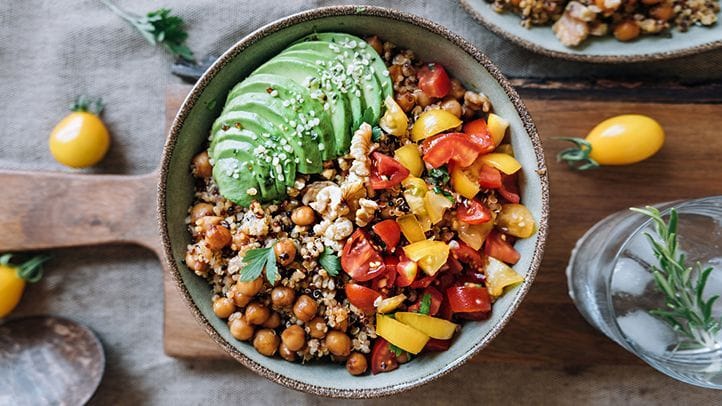
This approach isn’t a fad—it’s rooted in centuries of culinary traditions, from Mediterranean diets to Asian rice-based dishes. Today, it’s gaining traction for its health perks, environmental impact, and sheer versatility, making it a practical choice for modern lifestyles.
Why Plant-Based Meals Are Worth It
Going plant-based isn’t just a dietary shift—it’s a lifestyle boost. Here’s why it’s a game-changer:
- Heart Health: Plants are naturally low in saturated fats and cholesterol, cutting risks of heart disease. Fiber-rich options like beans and oats also lower bad cholesterol.
- Weight Management: High-fiber, low-calorie plant foods fill you up without packing on pounds, aiding weight loss or maintenance.
- Better Digestion: Fiber from veggies, fruits, and grains keeps your gut moving, preventing constipation and supporting a healthy microbiome.
- Disease Prevention: Studies link plant-based diets to lower rates of diabetes, cancer, and hypertension, thanks to antioxidants and anti-inflammatory compounds.
- Energy Boost: Nutrient-dense plants—think iron from spinach or carbs from quinoa—provide steady fuel without the heaviness of meat-heavy meals.
- Planet-Friendly: Producing plants uses less water, land, and energy than livestock, reducing your carbon footprint.
A 2022 study in The Lancet found that shifting to plant-based diets could cut diet-related greenhouse gas emissions by up to 70%. It’s a win for you and the earth.
Who Should Try Plant-Based Meals?
Anyone can benefit, but they’re especially great for:
- Health Seekers: Looking to lower cholesterol or boost energy? Plants deliver.
- Eco-Conscious Eaters: Want to shrink your environmental impact? This is a start.
- Budget Watchers: Beans, grains, and veggies often cost less than meat.
- Food Explorers: Craving variety? Plants open up new flavors and cuisines.
You don’t need to go all-in—start with a few meals a week and see how it feels.
How to Build Delicious Plant-Based Meals
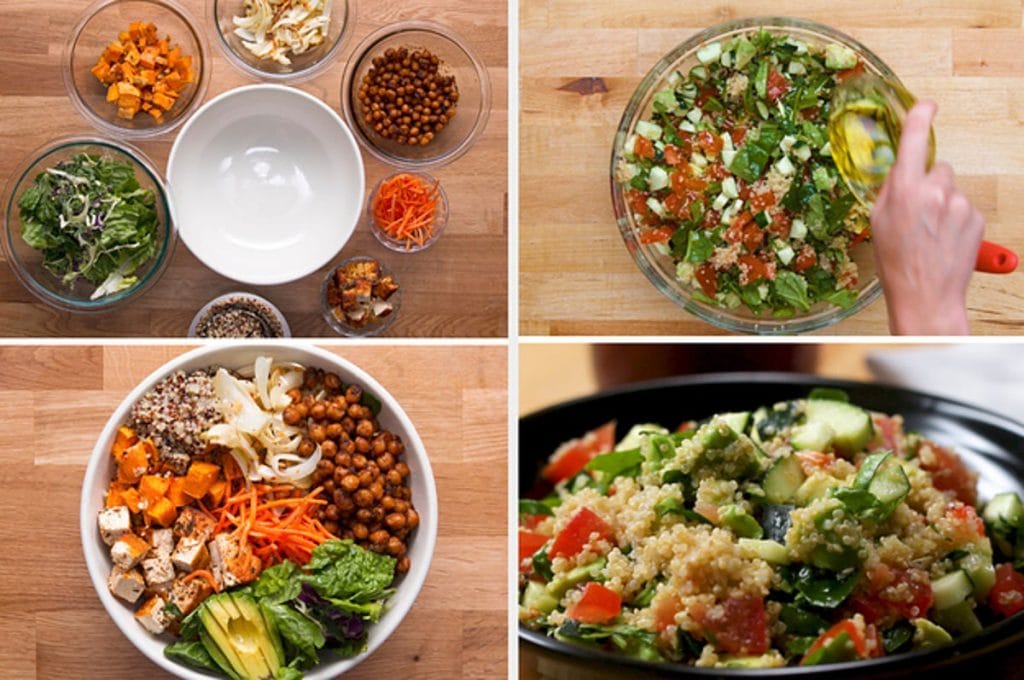
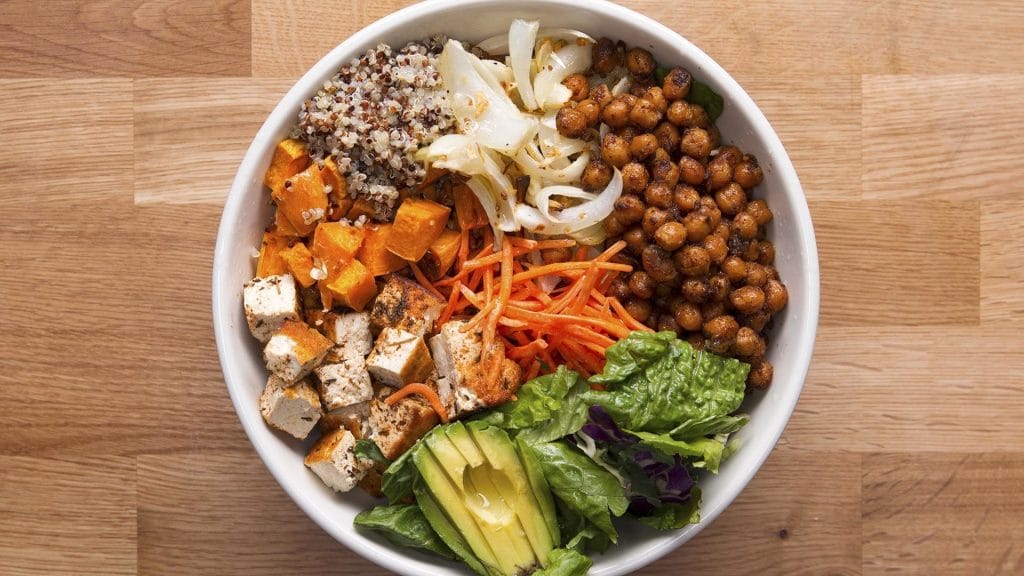
Crafting plant-based meals is easy with this formula:
- Protein: Legumes (lentils, chickpeas), tofu, tempeh, or nuts.
- Carbs: Whole grains (brown rice, quinoa) or starchy veggies (sweet potatoes).
- Veggies: Load up on color—kale, peppers, zucchini, you name it.
- Healthy Fats: Avocado, olive oil, or seeds for richness.
- Flavor: Herbs, spices, citrus, or a splash of plant-based sauce.
Mix and match for balance and taste—no meal feels “missing” anything.
Everyday Plant-Based Meal Ideas
Here’s inspiration for every time of day:
Breakfast
- Chia Pudding: Soak 3 tablespoons of chia seeds (protein and fats) in almond milk (calcium) overnight, top with berries (antioxidants) and a drizzle of maple syrup.
- Avocado Toast: Smash avocado (healthy fats) on whole-grain bread (carbs), sprinkle with hemp seeds (protein), and add cherry tomatoes (vitamins).
Lunch
- Lentil Salad: Toss cooked lentils (protein) with arugula (fiber), roasted beets (carbs), and a lemon-tahini dressing (healthy fats).
- Veggie Wrap: Spread hummus (protein) on a whole-grain tortilla (carbs), fill with spinach, shredded carrots, and cucumber (veggies), and roll it up.
Dinner
- Chickpea Curry: Simmer chickpeas (protein) with coconut milk (healthy fats), tomatoes (vitamins), and spinach (fiber), served over brown rice (carbs).
- Stuffed Sweet Potatoes: Bake sweet potatoes (carbs), stuff with black beans (protein), salsa (flavor), and avocado (fats).
Snacks
- Roasted Chickpeas: Toss chickpeas with olive oil and spices, roast until crispy—protein and crunch in one.
- Fruit and Nut Mix: Pair apple slices (carbs) with a handful of almonds (protein and fats) for a quick pick-me-up.
These ideas are simple, affordable, and bursting with flavor—proof plants can steal the show.
Tips for Plant-Based Success
Make it stick with these strategies:
- Start Small: Try “Meatless Mondays” or swap one meal a day—ease into it.
- Stock Up: Keep staples like canned beans, frozen veggies, and grains on hand for quick meals.
- Season Boldly: Cumin, turmeric, garlic, or fresh herbs turn basic ingredients into crave-worthy dishes.
- Batch Cook: Prep grains or legumes ahead—reheat with fresh veggies for fast dinners.
- Explore Substitutes: Use tofu for scrambled eggs, nutritional yeast for cheesy flavor, or plant milk in recipes.
- Check Nutrients: Watch B12, iron, and protein—fortified foods or a multivitamin can help if needed.
Overcoming Common Challenges
Plant-based eating has hurdles, but they’re solvable:
- Protein Worries: Beans, lentils, and nuts pack plenty—mix them up for all essential amino acids.
- Time Crunch: Frozen veggies and pre-cooked grains cut prep time without losing nutrition.
- Social Settings: Bring a plant-based dish to share or eat before events—focus on what you can control.
- Flavor Fatigue: Rotate cuisines—Mexican black beans one day, Indian dal the next—to keep it fresh.
The Long-Term Perks of Plant-Based Meals
Stick with it, and the rewards grow:
- Heart Strength: Lower cholesterol and blood pressure pave the way for a healthier ticker.
- Weight Balance: Fiber keeps you full, cutting cravings and supporting goals.
- Gut Glow: Prebiotics from plants feed good bacteria, boosting digestion and immunity.
- Clearer Skin: Antioxidants reduce inflammation, giving you a natural radiance.
- Eco Impact: Less meat means less deforestation and emissions—a small step with big ripples.
A 2023 Journal of Nutrition study found plant-based eaters had a 20% lower risk of chronic diseases. It’s a lifestyle that pays off.
Conclusion: Plant-Based Eating, Every Day
Plant-based meals aren’t about limits—they’re about abundance. With delicious ideas for breakfast, lunch, dinner, and snacks, you can fuel your body with foods that taste amazing and do good. Start with one meal, play with flavors, and enjoy the journey. Whether it’s a creamy curry or a simple salad, plants prove you don’t need meat to eat well. Here’s to vibrant, everyday eating—rooted in nature and full of life!
0 comments