

Protein powder has become a staple in the fitness world, powering gym-goers, athletes, and health enthusiasts alike. Whether you’re aiming to build muscle, recover faster, or simply meet your daily protein needs, this versatile supplement promises to deliver results. But with so many options—whey, casein, plant-based, and more—how do you choose the right protein powder for your goals? In this ultimate guide, we’ll break down everything you need to know about protein powder, from its benefits and types to how it fits into your fitness routine. We’ll even explore how modern Android apps, built with Kotlin, Jetpack Compose, and Firebase Realtime Database, can help you track your protein intake and optimize your nutrition plan.
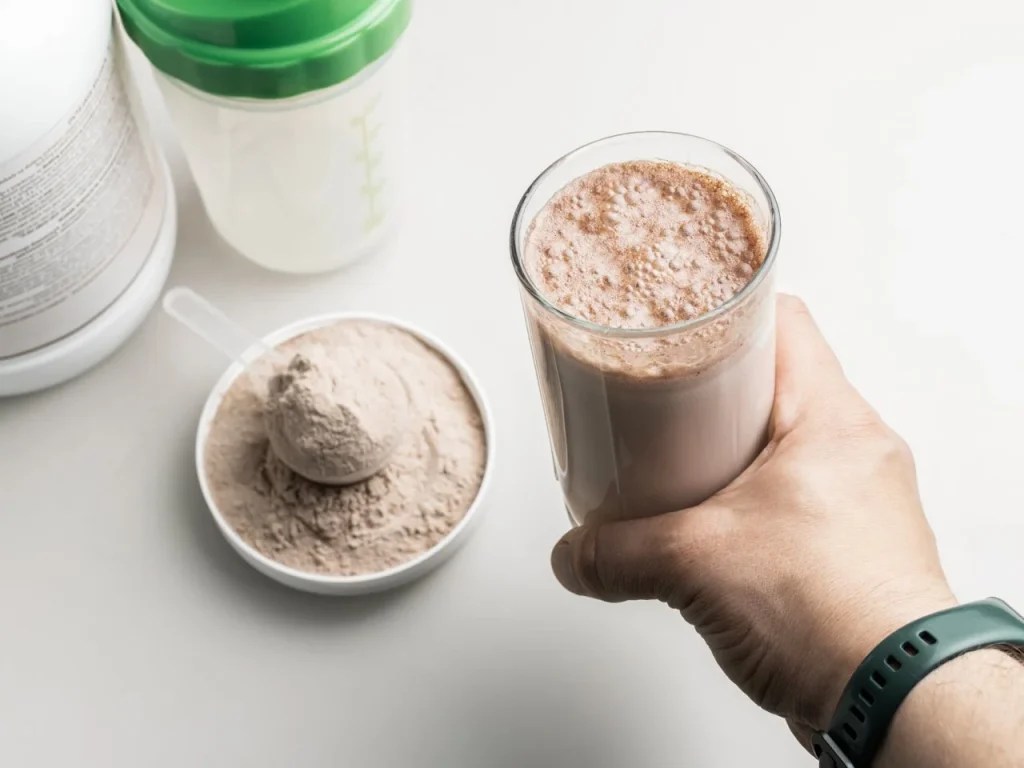
What Is Protein Powder and Why Use It?
Protein powder is a concentrated source of protein derived from animal or plant-based ingredients, such as milk (whey or casein), eggs, peas, rice, or hemp. It’s processed into a fine powder that can be mixed with water, milk, or blended into smoothies, making it a convenient way to boost your protein intake. For fitness enthusiasts, protein powder is a go-to supplement because it supports muscle growth, aids recovery after workouts, and helps maintain lean body mass.
The human body relies on protein to repair tissues, produce enzymes, and build muscle fibers—especially after intense physical activity. While whole foods like chicken, eggs, and lentils are excellent protein sources, they’re not always practical on the go. That’s where protein powder shines, offering a quick, portable solution. Whether you’re bulking up, cutting fat, or maintaining a balanced diet, protein powder can fuel your fitness journey the right way.
The Science Behind Protein Powder Benefits
Protein powder’s popularity isn’t just hype—science backs its effectiveness. When you exercise, especially during strength training, your muscle fibers undergo microscopic tears. Consuming protein post-workout provides the amino acids needed to repair and rebuild these fibers, a process known as muscle protein synthesis (MPS). Studies, like one published in the Journal of the International Society of Sports Nutrition (2017), show that supplementing with protein powder significantly enhances MPS, leading to greater muscle gains over time compared to training without supplementation.
Beyond muscle growth, protein powder offers other benefits. It can increase satiety, helping you feel fuller longer and potentially aiding weight loss efforts. A 2018 study in Nutrition Reviews found that higher protein intake, including from supplements, supports fat loss while preserving lean muscle mass during calorie restriction. Additionally, protein powders fortified with vitamins or minerals can contribute to overall wellness, from stronger bones to improved immune function.
Types of Protein Powder: Which One Is Right for You?
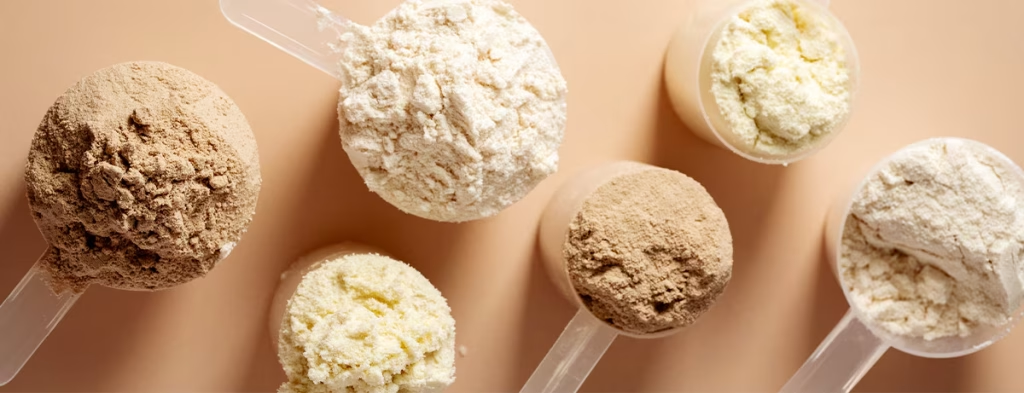
Not all protein powders are created equal, and choosing the right type depends on your dietary preferences, fitness goals, and digestive tolerance. Here’s a breakdown of the most popular options:
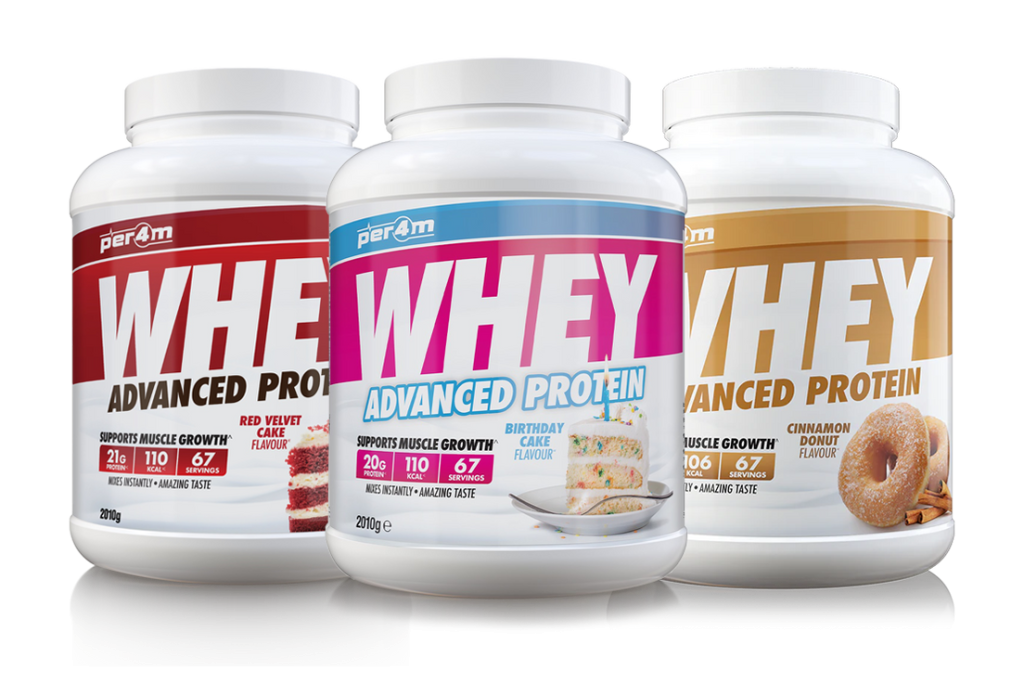
- Whey Protein: Derived from milk, whey is the gold standard for muscle building. It’s rich in branched-chain amino acids (BCAAs), particularly leucine, which is critical for MPS. Available in concentrate, isolate, and hydrolysate forms, whey is fast-digesting and ideal post-workout.
- Casein Protein: Also milk-based, casein digests slowly, providing a steady release of amino acids. It’s perfect for nighttime use to support overnight recovery.
- Plant-Based Protein: Made from peas, rice, hemp, or soy, these powders cater to vegans and those with dairy sensitivities. Blends often combine multiple sources to create a complete amino acid profile.
- Egg Protein: A high-quality, lactose-free option, egg protein is slower-digesting than whey but faster than casein, making it a versatile choice.
- Collagen Protein: While not a complete protein, collagen supports joint, skin, and connective tissue health, often paired with other powders for fitness buffs.
Each type has unique benefits, so consider your goals—muscle gain, weight management, or recovery—when picking a protein powder.
How to Use Protein Powder Effectively
To maximize protein powder’s benefits, timing, dosage, and preparation matter. The recommended protein intake for active individuals is 1.2-2.0 grams per kilogram of body weight daily, according to the American College of Sports Medicine. For a 70-kg (154-lb) person, that’s 84-140 grams of protein, some of which can come from powder.
- Post-Workout: A 20-30-gram scoop of whey protein within 30 minutes of exercise can jumpstart recovery.
- Meal Replacement: Blend protein powder with fruits, oats, and nut butter for a balanced shake when you’re short on time.
- Before Bed: A slow-digesting casein shake can fuel muscle repair overnight.
Mixing protein powder into recipes—like pancakes, muffins, or energy bars—adds variety while keeping your nutrition on track. Experiment with flavors (vanilla, chocolate, unflavored) to suit your taste.
Protein Powder and Fitness Nutrition
Protein powder is just one piece of the fitness nutrition puzzle. Pair it with a balanced diet rich in complex carbs (like quinoa or sweet potatoes) and healthy fats (avocado or nuts) to fuel your workouts and recovery. Hydration is equally crucial—protein metabolism requires water, so aim for at least 2-3 liters daily.
For those tracking macros, protein powder simplifies hitting your targets. An Android app built with Kotlin and Jetpack Compose could streamline this process. Imagine logging your protein shake in an app that uses Room Database for offline storage and Firebase Realtime Database for syncing across devices. With MVVM architecture and Hilt for dependency injection, the app could calculate your daily protein needs, suggest shake recipes, and display progress charts—all within a responsive UI designed for any screen size.
Common Myths About Protein Powder
Despite its benefits, protein powder is surrounded by misconceptions. One myth is that it’s only for bodybuilders. In reality, anyone—from runners to yoga practitioners—can use it to support their fitness goals. Another misconception is that protein powder damages kidneys. Research, including a 2019 study in the Journal of Nutrition, shows that protein supplements are safe for healthy individuals when consumed within recommended amounts.
Some also believe plant-based protein is inferior to whey. While single-source plant proteins may lack certain amino acids, blends (e.g., pea and rice) rival whey’s effectiveness, making them a viable alternative.
Choosing the Best Protein Powder
With countless brands on the market, quality matters. Look for third-party tested products to ensure purity and potency. Check the ingredient list—avoid powders loaded with artificial sweeteners, fillers, or excessive sugar. Opt for a protein content of at least 20 grams per serving and minimal carbs/fats if you’re watching calories.
Price varies widely: whey concentrate is budget-friendly, while isolates, hydrolysates, and premium plant-based options cost more. Brands like Optimum Nutrition, MyProtein, and Garden of Life are popular for their reliability, but always read reviews and match the product to your needs.
Technology and Protein Powder Tracking
Fitness tech can elevate your protein powder game. An Android app leveraging Clean Architecture and SOLID principles could log your intake, analyze its impact on muscle growth, and remind you to restock. Jetpack Compose ensures a sleek, adaptive UI, while Room Database stores historical data and Firebase keeps it synced. Such an app could even integrate with wearables to correlate protein consumption with workout performance.
Who Should Use Protein Powder?
Protein powder isn’t just for elite athletes. It’s ideal for:
- Busy professionals needing quick nutrition.
- Older adults aiming to preserve muscle mass.
- Vegetarians seeking plant-based protein boosts.
- Anyone struggling to meet protein goals through food alone.
However, those with dairy allergies or kidney issues should consult a doctor before starting.
The Future of Protein Powder
As fitness trends evolve, so does protein powder. Innovations like sustainable sourcing (e.g., insect protein) and personalized blends tailored to DNA profiles are on the horizon. Paired with smart apps, protein powder will remain a cornerstone of fitness nutrition.
0 comments