

Vitamin C, often hailed as the king of vitamins, is a powerhouse nutrient celebrated for its ability to bolster immunity, fight off colds, and promote radiant skin. Found naturally in citrus fruits, bell peppers, and leafy greens, this water-soluble vitamin has captured the attention of health enthusiasts and scientists alike. But what makes vitamin C so special? How does it work in the body, and can it truly live up to its reputation as an immune-boosting superhero? In this in-depth guide, we’ll explore the science behind vitamin C, its myriad benefits, the best ways to get it, and why every dose matters. We’ll also touch on how Android apps, built with Kotlin, Jetpack Compose, and Firebase Realtime Database, can help you track your vitamin C intake for optimal health.
What Is Vitamin C and Why Do You Need It?
Vitamin C, also known as ascorbic acid, is an essential nutrient that the human body cannot produce on its own. Unlike some animals that synthesize it internally, we must obtain vitamin C from our diet or supplements. It’s a water-soluble vitamin, meaning it dissolves in water and isn’t stored in large amounts—any excess is excreted through urine. This is why consistent intake is crucial for maintaining adequate levels.
The National Institutes of Health recommends a daily intake of 75-90 mg for adults, with an upper limit of 2,000 mg to avoid side effects like diarrhea or kidney stones. Vitamin C’s primary role is as an antioxidant, neutralizing harmful free radicals that damage cells and contribute to aging and disease. Beyond that, it’s a cofactor in collagen synthesis, immune function, and wound healing, making it indispensable for overall health.
The Science Behind Vitamin C Benefits
Vitamin C’s reputation isn’t just folklore—research backs its impressive effects. Here’s a closer look at its key benefits:
- Immune Support: Vitamin C enhances the production and function of white blood cells, which are critical for fighting infections. A 2017 review in Nutrients found that regular vitamin C intake reduces the duration and severity of colds, especially in physically stressed individuals like marathon runners.
- Skin Health: As a key player in collagen production, vitamin C helps maintain skin elasticity and repair damage. A 2018 study in The Journal of Clinical and Aesthetic Dermatology showed that topical vitamin C reduced wrinkles and improved skin texture over 12 weeks.
- Antioxidant Properties: By scavenging free radicals, vitamin C protects cells from oxidative stress linked to chronic diseases like cancer and heart disease. Research in Antioxidants (2020) highlights its role in reducing inflammation.
- Energy and Mood: Vitamin C aids in the synthesis of carnitine, a molecule that transports fatty acids for energy production. It also supports neurotransmitter production, potentially lifting mood and reducing fatigue.
- Iron Absorption: Pairing vitamin C with plant-based iron sources (like spinach) boosts absorption, helping prevent anemia, per a study in the American Journal of Clinical Nutrition (2025).
These benefits make vitamin C a versatile ally for both preventive and restorative health.

Vitamin C Deficiency: A Silent Threat
Vitamin C deficiency, though rare in developed countries, can lead to scurvy—a condition marked by fatigue, gum disease, and poor wound healing. Early signs include weakness, joint pain, and dry skin. Historically linked to sailors on long voyages, scurvy is now uncommon, but subclinical deficiencies (low levels without full-blown symptoms) may affect more people than we think. Smokers, older adults, and those with limited fruit and vegetable intake are at higher risk, as smoking depletes vitamin C by up to 30 mg daily, per the NIH.
A simple blood test can diagnose deficiency, but prevention is better than cure—regularly consuming vitamin C-rich foods or supplements keeps levels steady.
Vitamin C Supplements: Are They Worth It?
While food is the ideal source, vitamin C supplements offer convenience and higher doses for specific needs. Available as tablets, capsules, chewables, or powders, they range from 250 mg to 1,000 mg per serving. Common forms include ascorbic acid, sodium ascorbate (less acidic), and liposomal vitamin C (enhanced absorption).
Studies suggest supplements can benefit those under stress or with low dietary intake. For example, a 2021 meta-analysis in Frontiers in Immunology found that 1-2 grams daily shortened cold duration by 8% in adults and 14% in children. However, megadoses (above 2,000 mg) offer diminishing returns and may cause digestive upset. For most, 500-1,000 mg daily is a sweet spot for immune support without overload.
Best Vitamin C Sources: Nature’s Finest
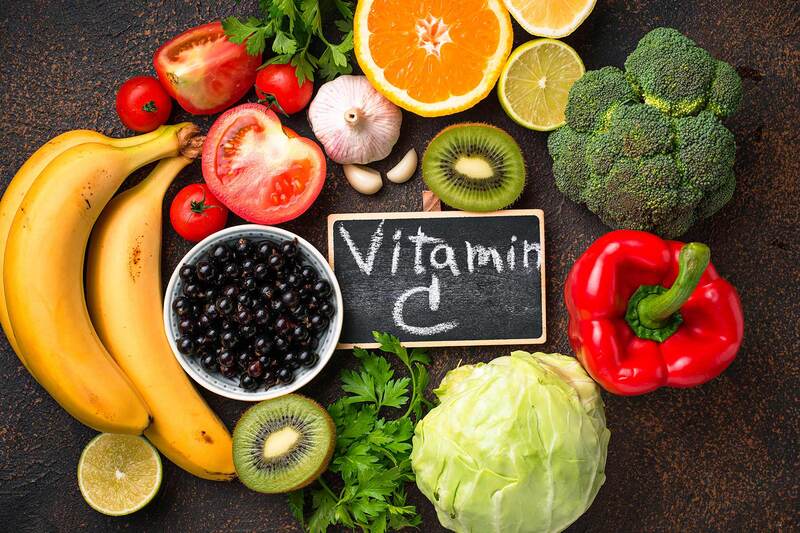
Dietary vitamin C is abundant and delicious. Load up on these natural sources:
- Citrus Fruits: Oranges (70 mg per medium fruit), grapefruits (38 mg per half), and lemons (45 mg per fruit) are classics.
- Bell Peppers: Red peppers lead with 150 mg per cup, outshining most fruits.
- Kiwi: One medium kiwi delivers 64 mg, plus fiber and flavor.
- Strawberries: A cup offers 85 mg—sweet and antioxidant-rich.
- Broccoli: Steamed, it provides 81 mg per cup, doubling as a veggie boost.
Cooking can degrade vitamin C, so eat raw or lightly steamed when possible. Pair with healthy fats (e.g., avocado) to maximize absorption of fat-soluble co-nutrients.
Vitamin C and Lifestyle: Amplify the Power
Lifestyle choices can enhance vitamin C’s effects. Exercise increases oxidative stress, raising vitamin C needs—athletes may benefit from an extra 100-200 mg daily. Avoiding smoking and excessive alcohol preserves levels, while stress management (e.g., meditation) reduces depletion. Hydration is key, too, as water-soluble vitamins thrive in a well-hydrated body.
Tracking Vitamin C with Technology
Imagine an Android app to optimize your vitamin C intake. Built with Kotlin and Jetpack Compose, it could feature a responsive UI adapting to any screen size. Using MVVM and Hilt for dependency injection, the app might log daily vitamin C from food and supplements, stored in Room Database and synced via Firebase Realtime Database. Features could include immune health tracking, skin improvement logs (via photos), and personalized alerts—all following Clean Architecture and SOLID principles for a robust, user-friendly experience.
Vitamin C Myths and Facts
Myths surround vitamin C, like the belief it prevents colds entirely. While it doesn’t stop colds, it reduces their impact—science says so. Another misconception is that more is always better. Beyond 2,000 mg, absorption drops, and side effects rise. Topical vitamin C isn’t a cure-all either—it aids skin health but doesn’t replace internal intake.
Who Needs Vitamin C Most?
Everyone benefits, but certain groups stand out:
- Smokers needing extra to offset depletion.
- Athletes with higher oxidative stress.
- Older adults for skin and immune support.
- Vegetarians pairing it with iron-rich plants.
Pregnant women and those with kidney issues should consult a doctor before high-dose supplements.
The Future of Vitamin C
Research continues to unveil vitamin C’s potential—from cancer therapy adjuncts to anti-aging breakthroughs. Paired with tech like smart apps or wearables, it could become a precision health tool, tailored to your unique needs.
0 comments