

When it comes to ensuring lifelong skeletal strength, calcium supplements are a game-changer. From childhood growth spurts to the golden years of retirement, calcium is the foundation of bone health. With modern diets often lacking sufficient calcium-rich foods, supplements have become an essential tool for people of all ages to maintain strong bones and prevent conditions like osteoporosis. Whether you’re a busy professional, a fitness enthusiast, or a parent concerned about your family’s wellness, understanding the role of calcium supplements can empower you to take charge of your health. In this comprehensive guide, we’ll explore the science behind calcium, the benefits of supplementation, how to choose the best products, and even how technology—such as Android apps built with modern frameworks—can support your journey to stronger bones.
The Critical Role of Calcium in Your Body
Calcium isn’t just another mineral—it’s a vital building block for life. Approximately 99% of the body’s calcium is stored in bones and teeth, providing the structural support that keeps us upright and active. The remaining 1% circulates in the blood, aiding muscle function, nerve signaling, and blood clotting. However, as we age, our bones naturally lose density, and the body’s ability to absorb calcium from foods like milk, yogurt, or leafy greens diminishes. This decline can lead to brittle bones, fractures, and chronic conditions such as osteoporosis, especially in postmenopausal women and older adults.

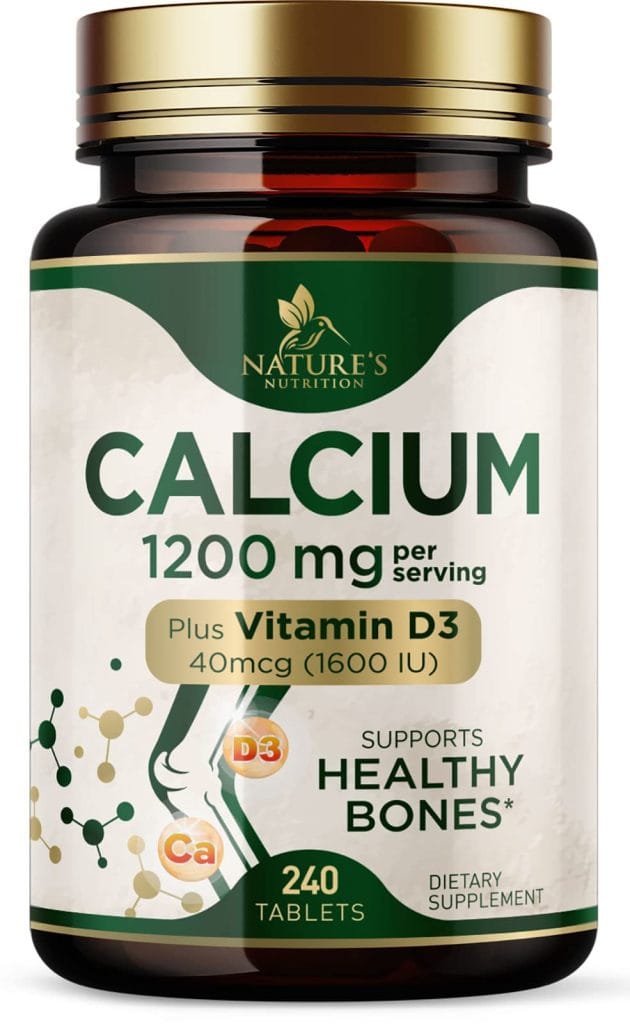
Here’s where calcium supplements shine. They offer a concentrated, bioavailable source of calcium that complements your diet, ensuring your body gets what it needs to maintain bone density. Research consistently shows that pairing calcium supplements with vitamin D enhances absorption, making it a powerful duo for skeletal health. For instance, a study published in the Journal of Bone and Mineral Research found that adults over 50 who took calcium supplements daily reduced their risk of fractures by up to 15%. This evidence underscores why supplementation is a proactive step for anyone aiming to build strong bones at any age.
Who Needs Calcium Supplements?
Not everyone gets enough calcium from their diet alone. The Recommended Dietary Allowance (RDA) varies by age and gender—1,000 mg per day for most adults, increasing to 1,200 mg for women over 50 and men over 70. Yet, factors like lactose intolerance, vegan lifestyles, or simply busy schedules can make it tough to hit these targets. Calcium supplements are particularly beneficial for:
- Children and Teens: During growth spurts, bones develop rapidly, requiring ample calcium to maximize bone mass.
- Pregnant Women: Extra calcium supports fetal bone development without depleting the mother’s reserves.
- Postmenopausal Women: Declining estrogen levels accelerate bone loss, making supplementation critical.
- Seniors: Aging reduces calcium absorption, increasing the risk of osteoporosis and fractures.
- Athletes: High-impact activities demand strong bones to withstand stress.
If you fall into one of these categories—or suspect your diet isn’t cutting it—calcium supplements could be the key to maintaining healthy bones long-term.
Types of Calcium Supplements: Which One Is Right for You?
The supplement aisle can feel overwhelming with options like calcium carbonate, calcium citrate, and more. Each type has unique properties, and choosing the right one depends on your needs:
- Calcium Carbonate: The most common and affordable option, it contains 40% elemental calcium. It’s best taken with food to aid absorption and may cause mild side effects like bloating.
- Calcium Citrate: With 21% elemental calcium, this form is easier to absorb, especially for older adults or those with low stomach acid. It can be taken with or without food.
- Calcium Lactate and Gluconate: These contain lower percentages of calcium but are gentler on the stomach, ideal for sensitive individuals.
Beyond the type, look for supplements fortified with vitamin D, magnesium, or vitamin K2, which enhance calcium absorption and direct it to bones rather than arteries. Always check labels for purity, dosage, and third-party certifications to ensure quality.

Benefits Beyond Bone Health
While calcium supplements are synonymous with strong bones, their benefits extend further. Adequate calcium intake supports:
- Muscle Function: Calcium triggers contractions, aiding everything from lifting weights to walking upstairs.
- Heart Health: It helps regulate heart rhythm, though excessive intake should be avoided to prevent calcification.
- Weight Management: Some studies suggest calcium may reduce fat absorption, supporting a healthy metabolism.
- Dental Strength: Teeth, like bones, rely on calcium for durability.
These perks make calcium supplements a versatile addition to your wellness routine, offering holistic support as you age.
How to Maximize Calcium Supplement Effectiveness
Taking calcium supplements isn’t just about popping a pill—it’s about timing, dosage, and synergy. Here are some expert tips:
- Split Doses: The body absorbs calcium best in amounts of 500 mg or less at a time. If your daily goal is 1,000 mg, take one dose in the morning and another at night.
- Pair with Vitamin D: Aim for 800-1,000 IU of vitamin D daily to boost absorption.
- Avoid Interference: Take calcium away from iron supplements or high-fiber meals, which can block uptake.
- Stay Hydrated: Water helps dissolve and distribute calcium efficiently.
Consistency is key. Whether you’re fortifying your bones or preventing osteoporosis, sticking to a routine maximizes results.
Technology and Calcium: A Modern Approach
In today’s digital age, technology can amplify your health efforts. Imagine an Android app designed to track your calcium intake, remind you to take calcium supplements, and educate you on bone health. Using a tech stack like Kotlin and Jetpack Compose, developers can craft a responsive user interface that adapts to any screen size, ensuring accessibility for all users. The MVVM architecture, paired with Hilt for dependency injection, keeps the app modular and scalable, while Clean Architecture ensures maintainability.
Such an app could integrate Room Database to store your supplement schedule locally and Firebase Realtime Database to sync data across devices or share tips with a community. By adhering to SOLID principles, the app remains robust, helping users build strong bones with ease. For example, a feature might calculate your daily calcium needs based on age and activity level, then suggest the best calcium supplements from a curated list. This fusion of health and technology showcases how modern tools can enhance traditional practices.
Potential Risks and Precautions
While calcium supplements are generally safe, overdoing it can lead to issues like kidney stones, constipation, or hypercalcemia (excess calcium in the blood). The upper limit is 2,500 mg daily for most adults—stick below this to avoid trouble. Consult a doctor if you have a history of kidney issues or take medications like diuretics, as calcium can interact with them.
Choosing Quality Calcium Supplements
Not all calcium supplements are created equal. Opt for brands tested by organizations like USP or NSF for purity. Check for added sugars or artificial fillers, and prioritize products with clear dosage instructions. Online reviews and healthcare provider recommendations can guide your choice.
Calcium-Rich Foods vs. Supplements
While calcium supplements are convenient, they’re not a replacement for a balanced diet. Foods like dairy, kale, almonds, and fortified cereals provide calcium alongside other nutrients like protein and fiber. Supplements are best used to fill gaps, not as your sole source. Aim for a mix of both for optimal bone health.
The Future of Bone Health
As research advances, calcium supplements are evolving. Innovations like nano-calcium or plant-based options cater to diverse needs, while wearable tech and apps track bone density in real-time. Staying informed ensures you’re ahead of the curve in maintaining strong bones.
Conclusion
Calcium supplements are more than a quick fix—they’re a lifelong investment in bone health. From supporting growth in youth to preventing fractures in old age, they empower you to build strong bones at any age. By choosing the right type, timing your intake, and leveraging tools like Android apps, you can optimize their benefits. Whether you’re combating osteoporosis or simply enhancing wellness, calcium is your ally. Start today—your bones will thank you tomorrow.
0 comments